Wall Art by Design: The Complete India-Focused Guide
Table of Contents
- Why design style matters in wall art
- Major design categories in wall art
- Abstract wall art – meaning, psychology & best placement
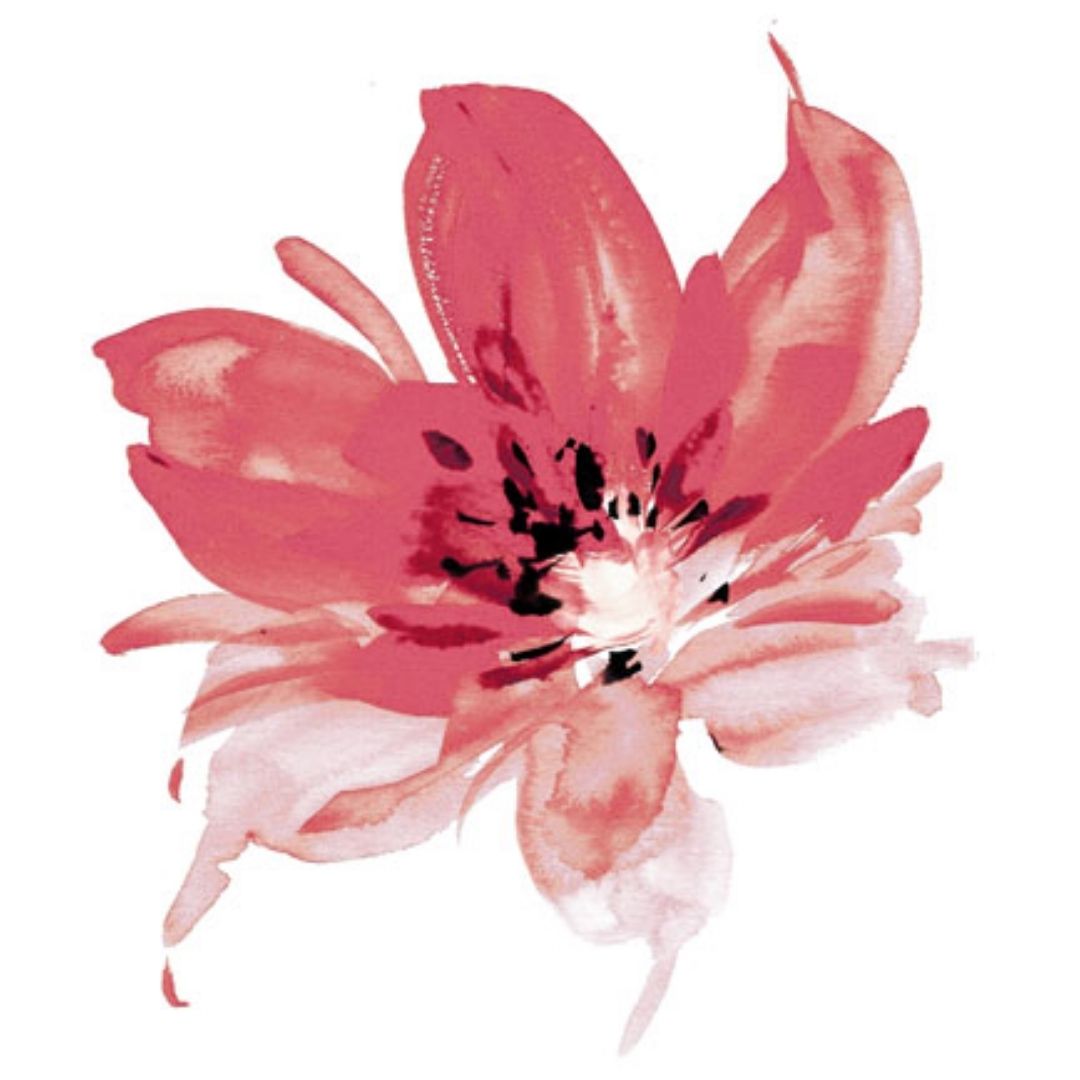
- Botanical & floral wall art – symbolism and ideal rooms
- Geometric & minimalist wall art – modern Indian aesthetics
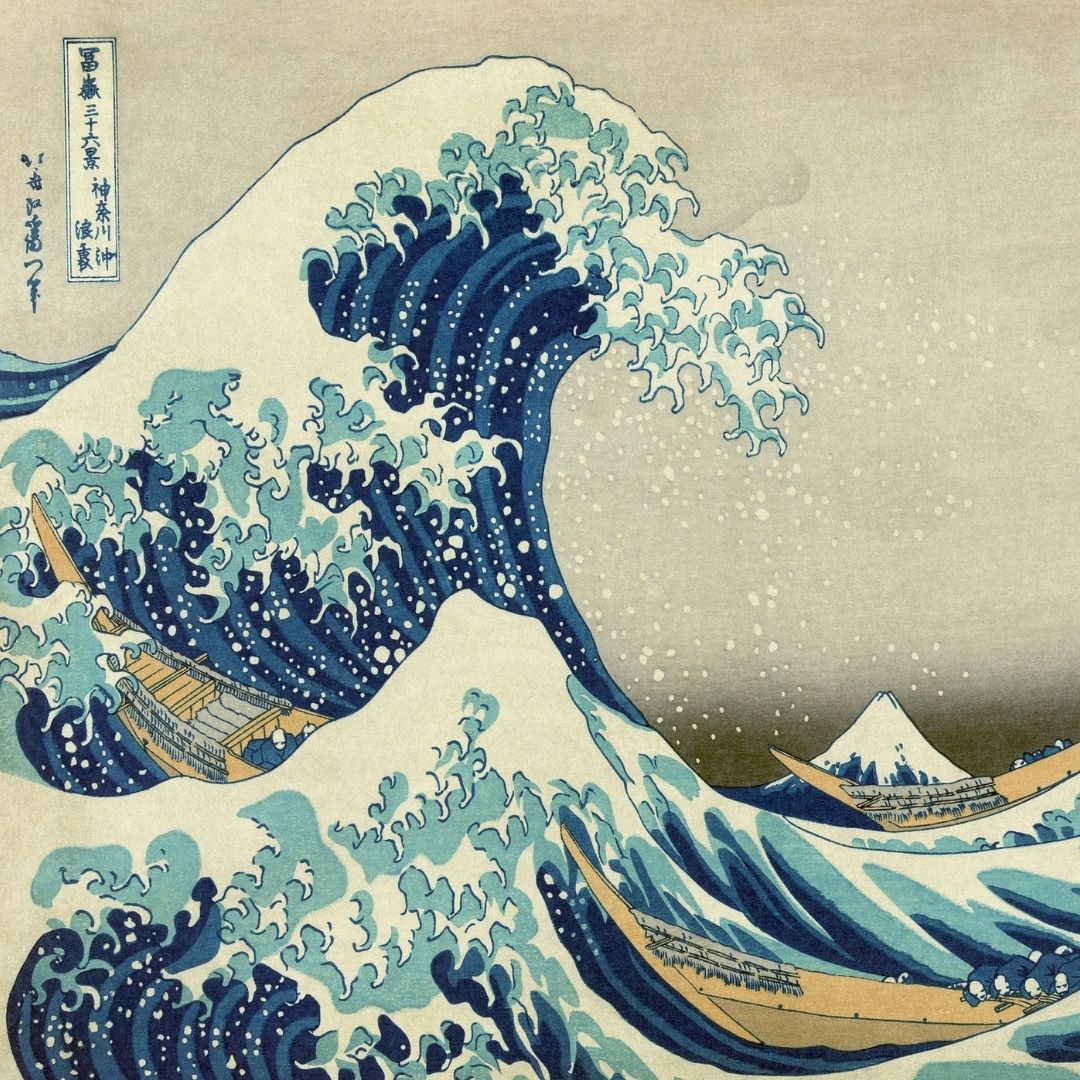
- Traditional Indian art designs – motifs, regions & cultural meaning
- Spiritual & mandala wall art – energy, Vastu, and room suitability
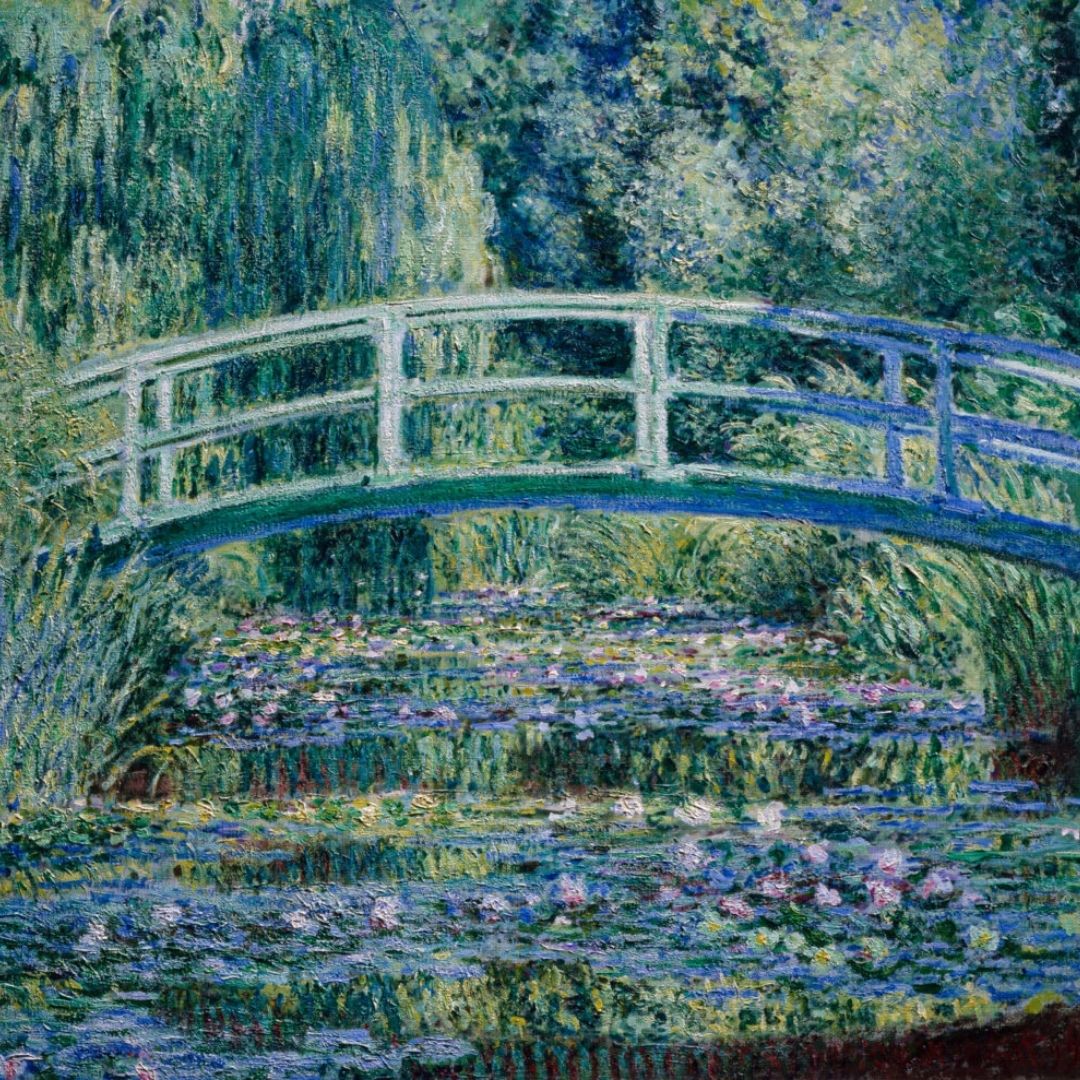
- Landscape & nature-inspired designs – emotional and visual impact
- Typography & quote-based art – best for workspaces and modern homes
- Textured & 3D wall art – depth, mood, and lighting considerations
- Kids’ wall art designs – age-wise recommendations
- Choosing design styles based on room type
- Pairing different wall art designs together (mixing rules)
- Matching design styles with Indian interior themes
- Expert styling tips to choose the right wall art design
Wall Art by Design: The Complete India-Focused Guide
1. Why design style matters in wall art
Design determines how wall art feels, what emotion it evokes, and how well it blends with your home’s architecture. In Indian interiors—where cultural richness meets modern minimalism—design style plays a huge role in defining a room’s personality. Different designs create different moods: calming, energetic, luxurious, rustic, spiritual, or playful.
Choosing the right design helps tell your visual story.
2. Major design categories in wall art
The most popular design styles for wall art include:
- Abstract
- Botanical / Floral
- Geometric / Minimalist
- Traditional Indian Art
- Mandalas & Spiritual Designs
- Landscape & Nature-inspired
- Typography / Quotes
- Textured & 3D
- Kids' Illustrative Art
- Bohemian / Eclectic
- Modern Luxury (metallic, marble-effect, etc.)
Each category suits different personalities, rooms, and moods.
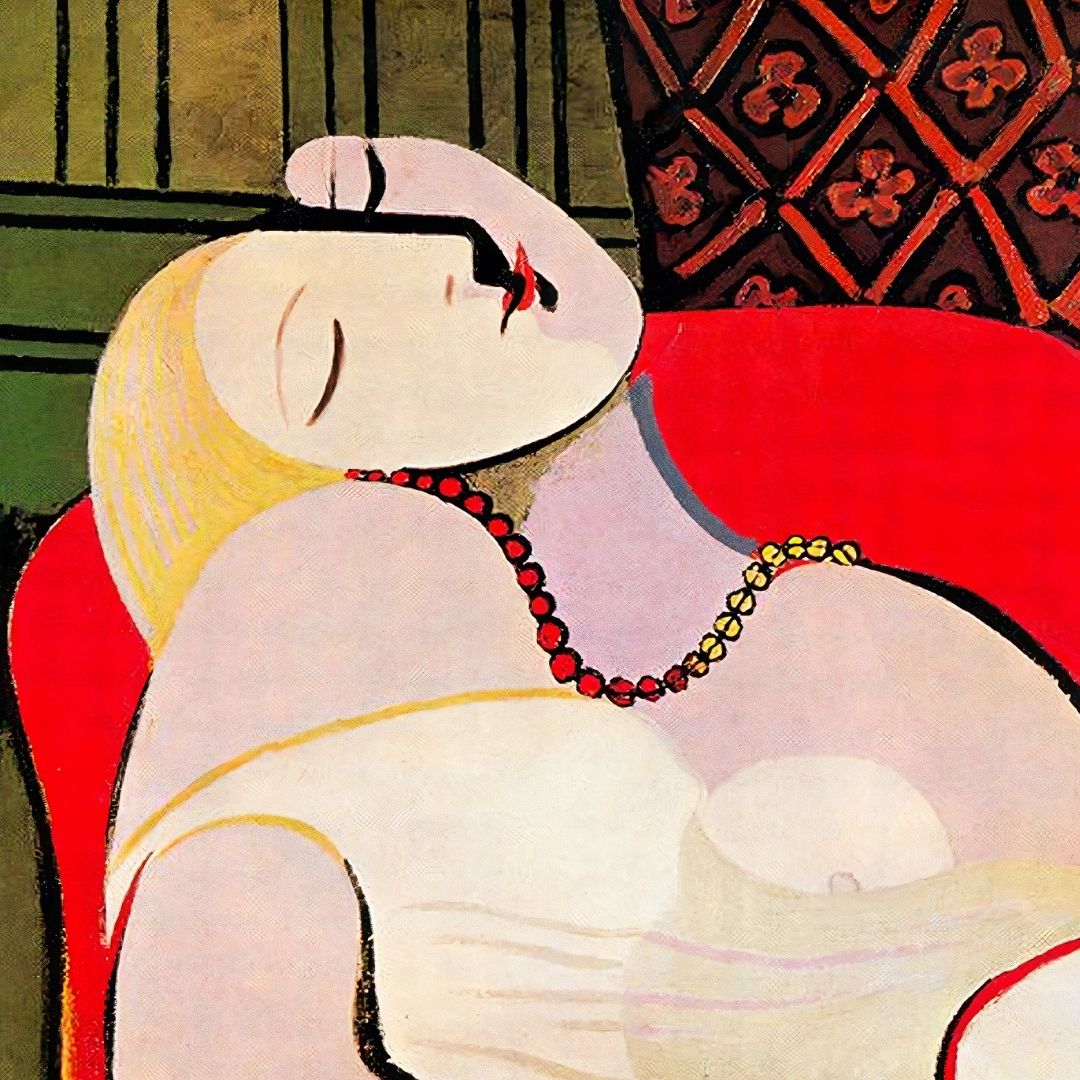
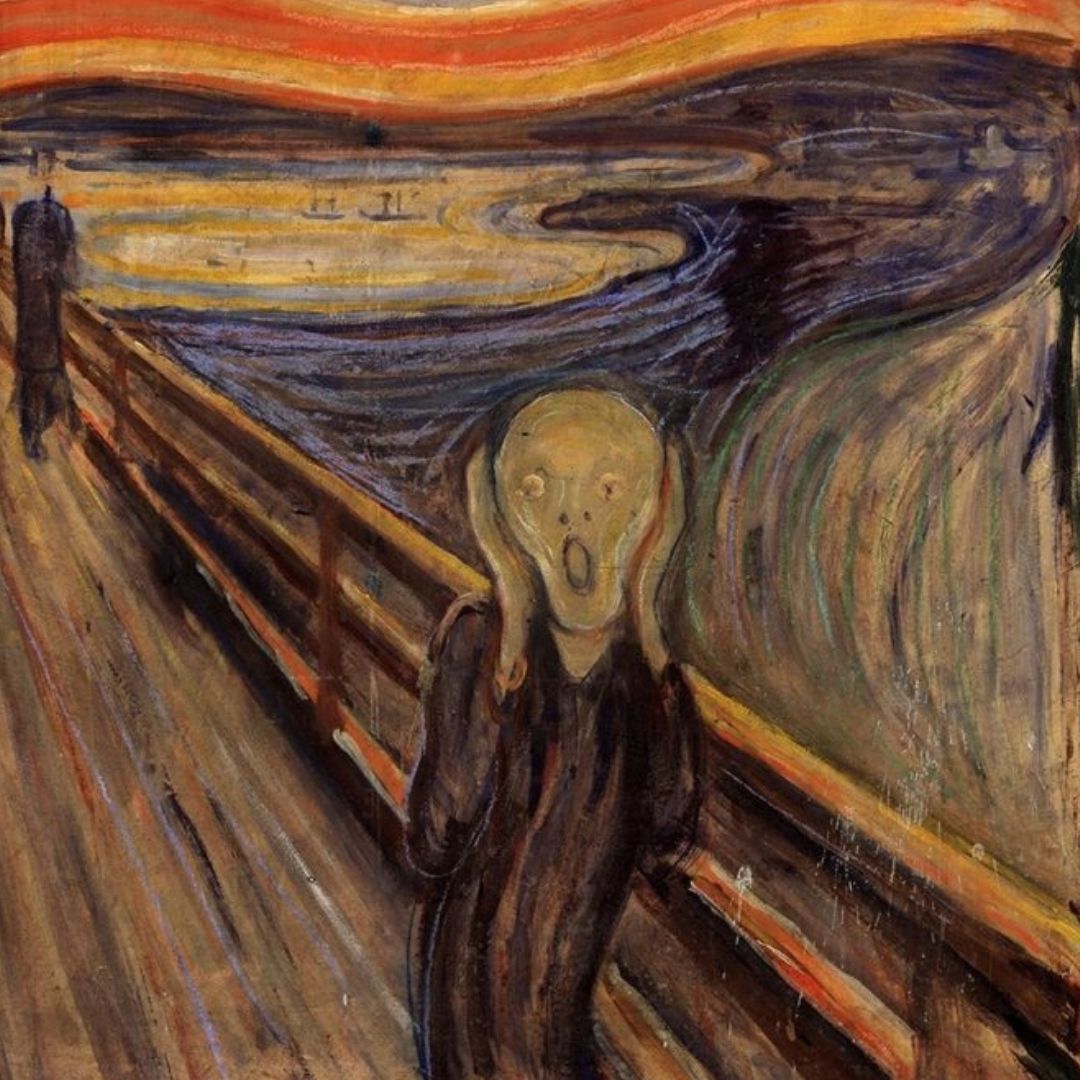
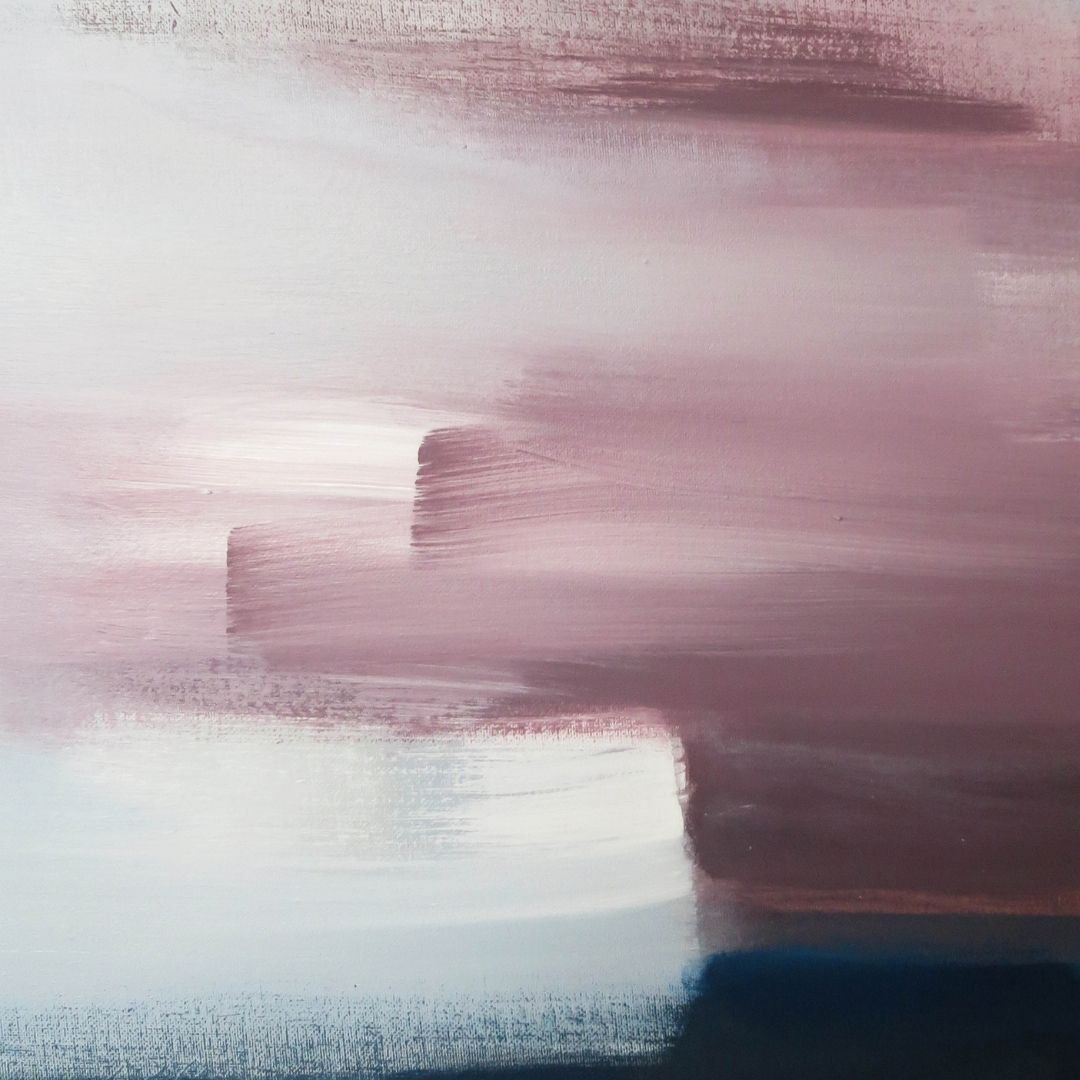
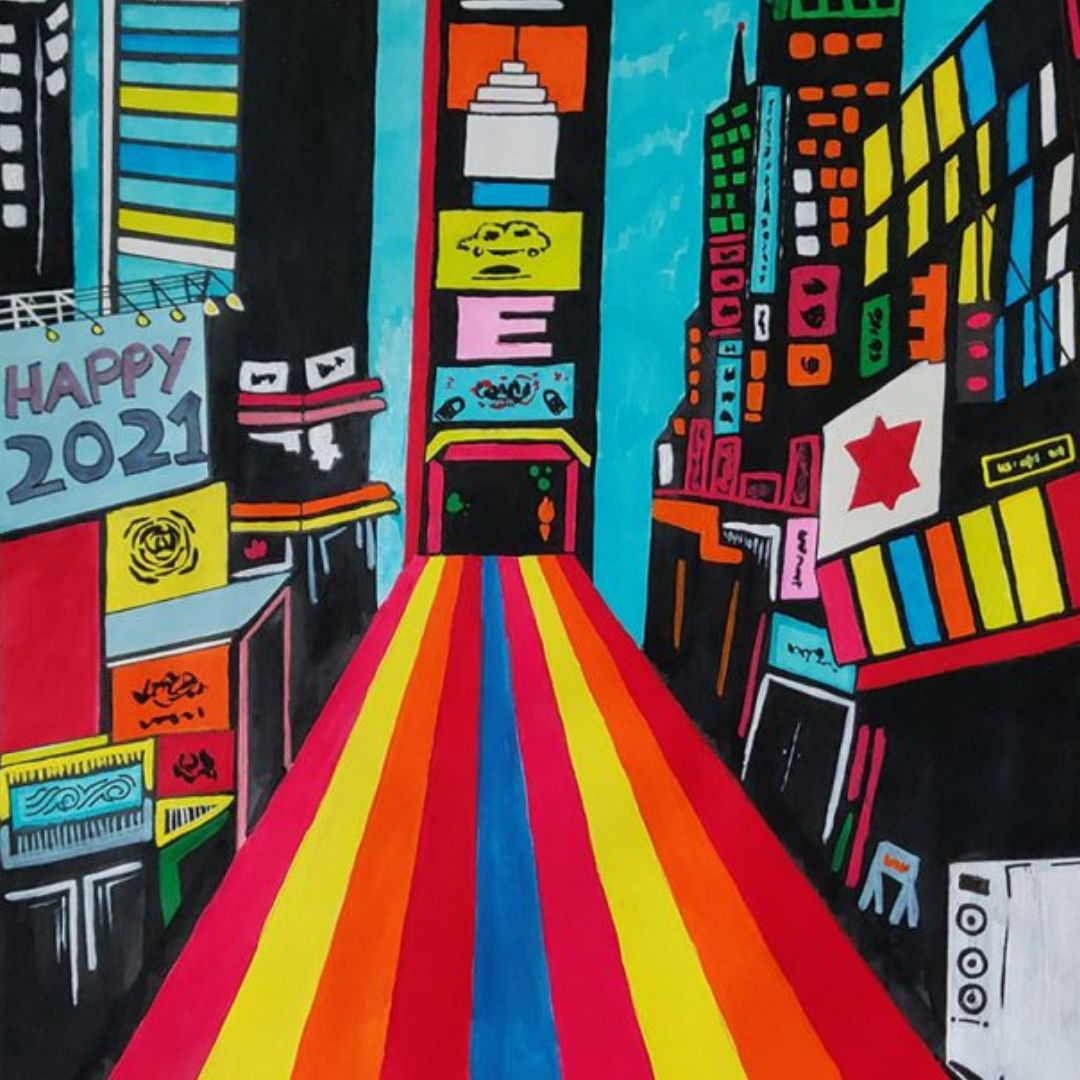
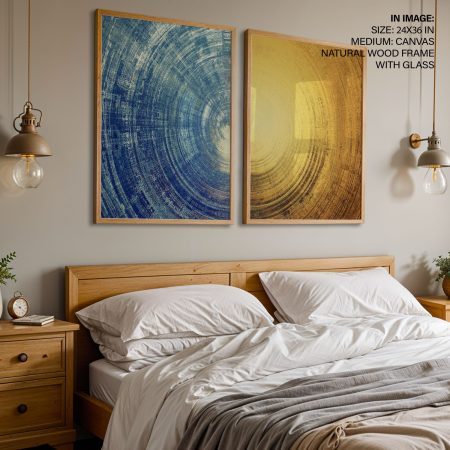
3. Abstract wall art – meaning, psychology & best placement
What it means:
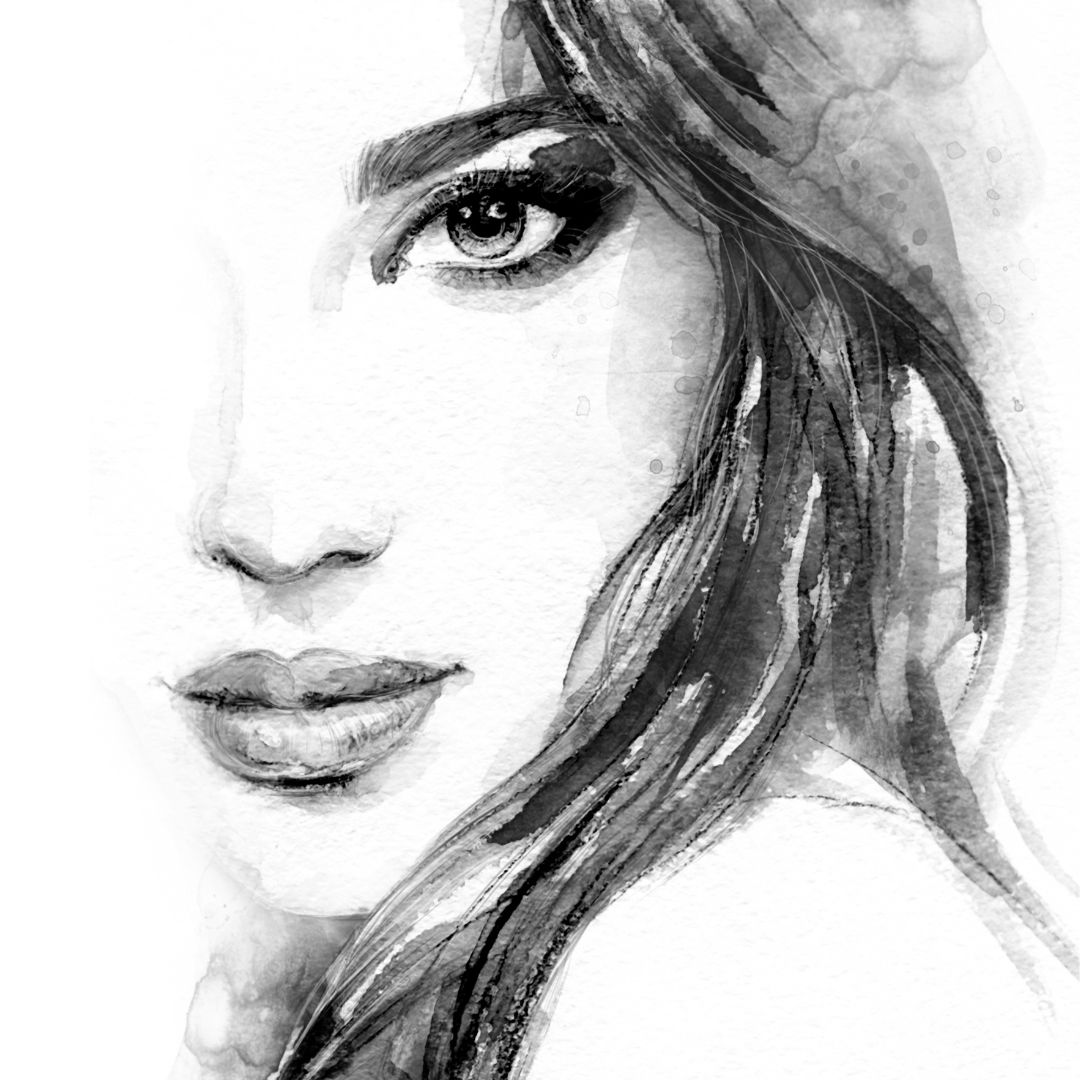
Abstract art uses shapes, colours, and forms rather than literal objects. It sparks imagination and emotional interpretation.
Psychology:
- Inspires creativity and introspection
- Adds sophistication and modern energy
- Works well for mood-rich interiors
Best suited for:
- Living rooms
- Hallways
- Bedrooms
- Offices
- Café-style spaces
Indian touch:
Indian abstract art often uses earthy tones, mandala symmetry influences, or Raza-inspired geometric compositions.
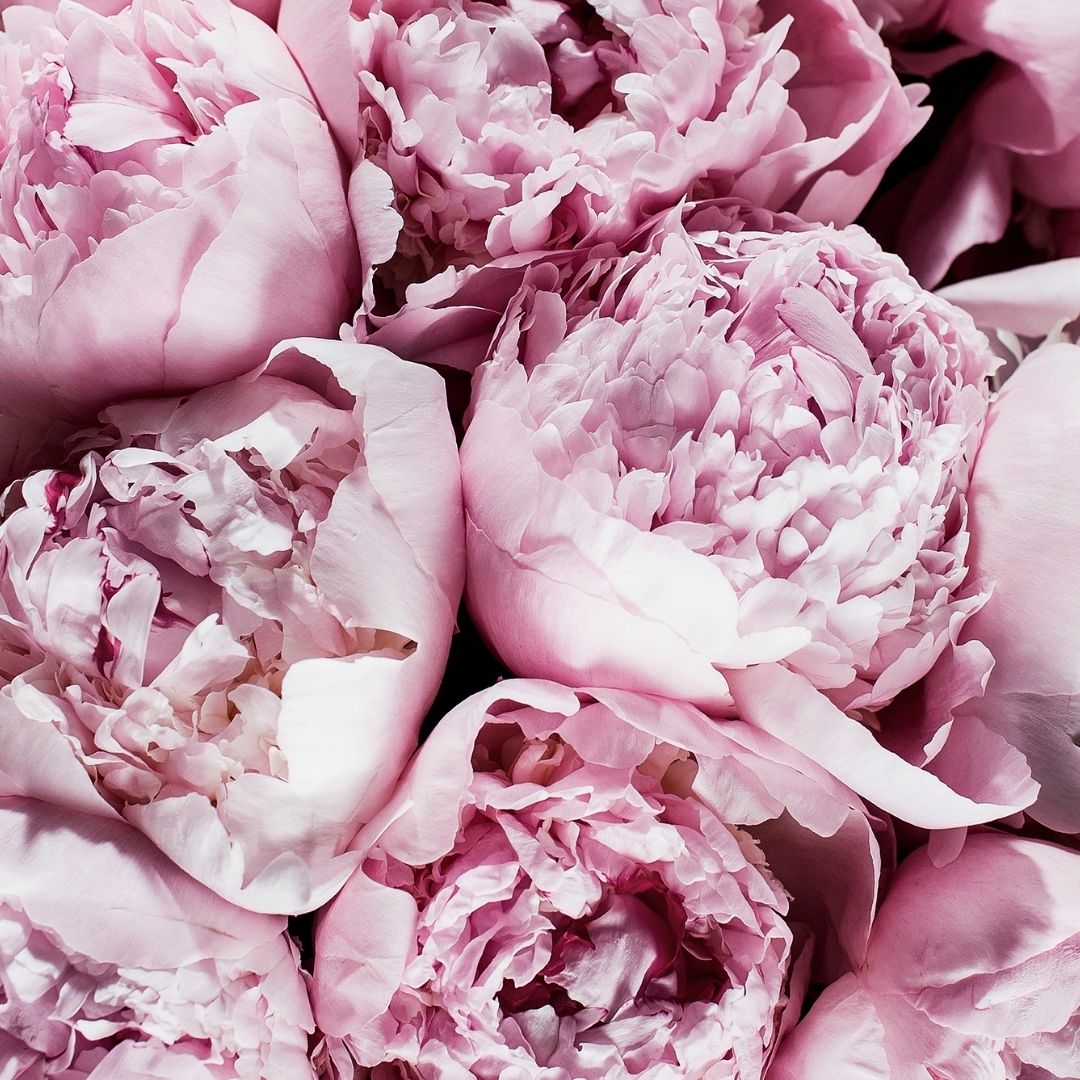
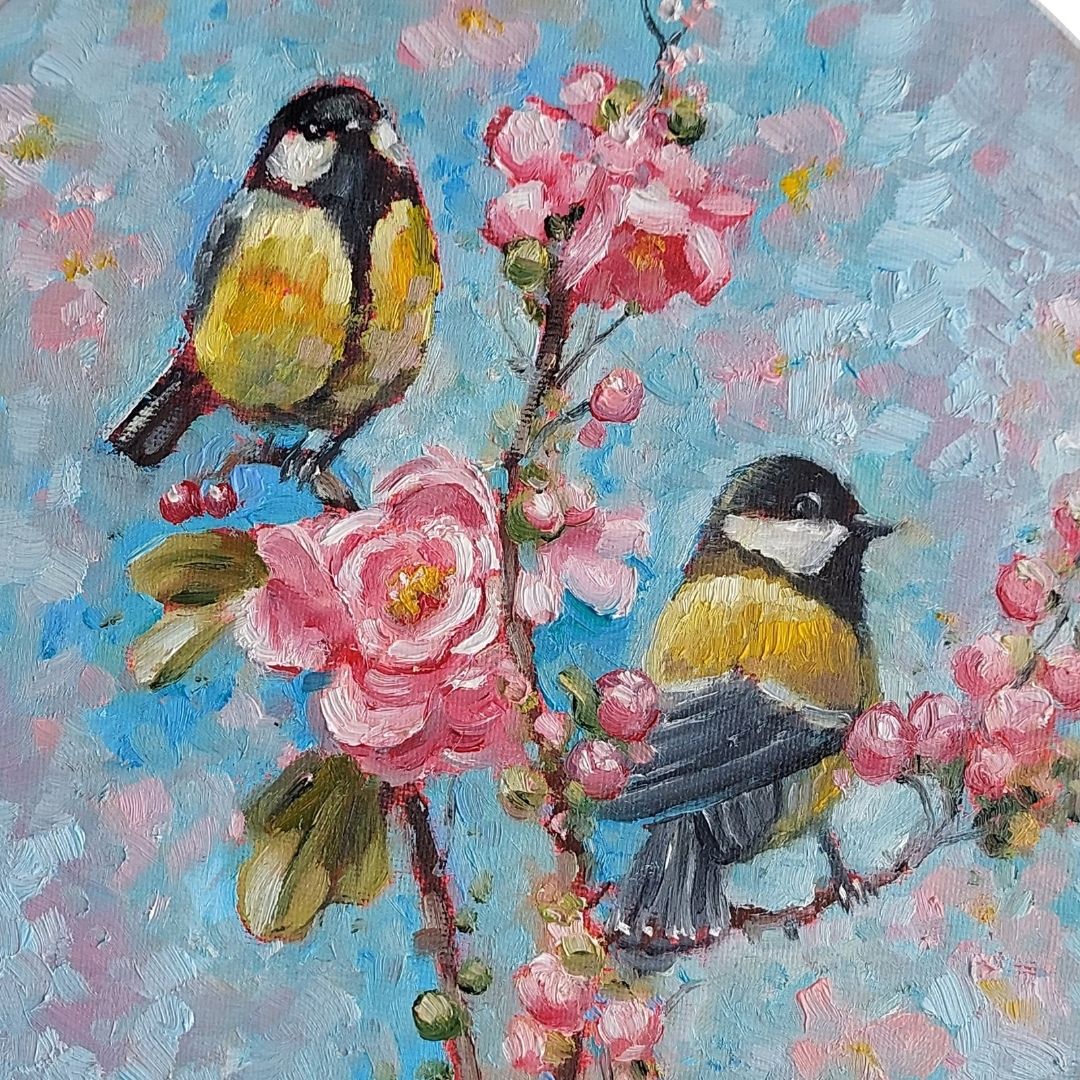
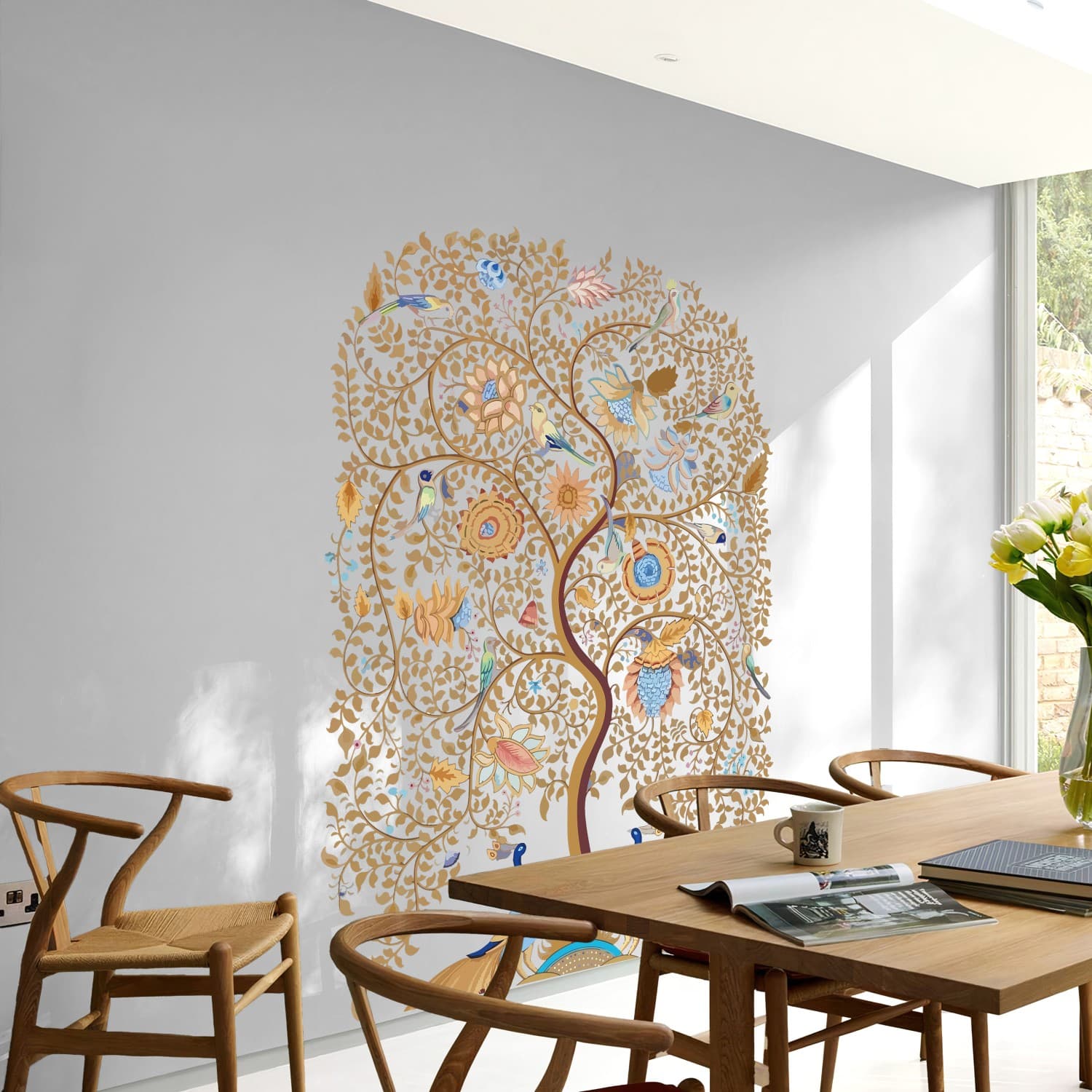
4. Botanical & floral wall art – symbolism and ideal rooms
What it means:
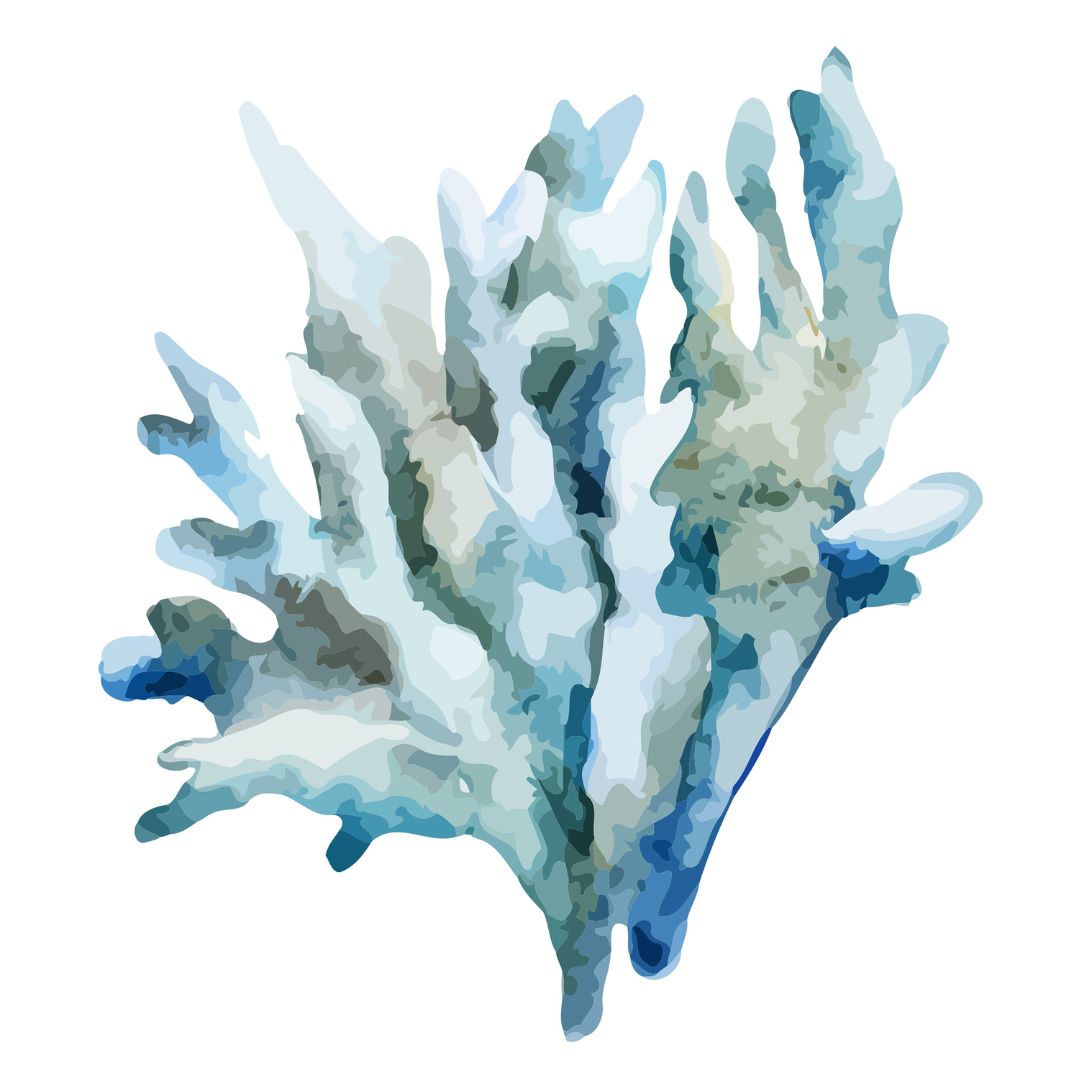
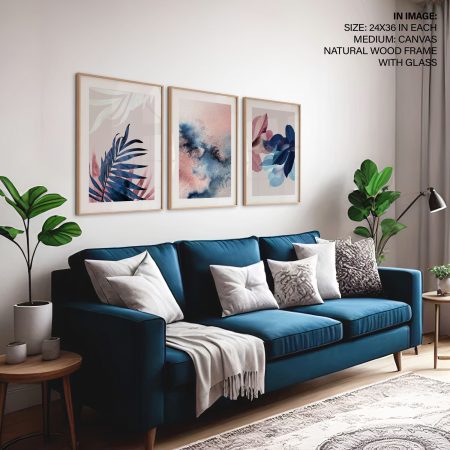
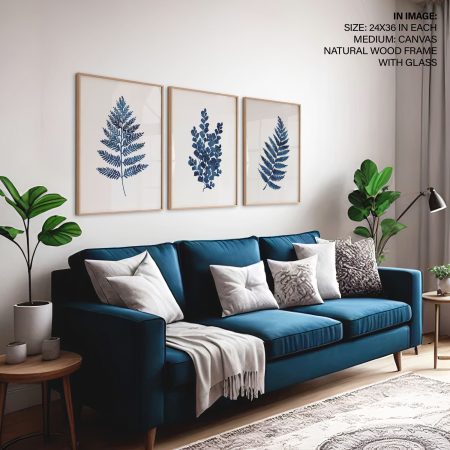
Nature-inspired designs featuring flowers, leaves, and tropical motifs.
Symbolism:
- Renewal, freshness, grounding
- Calmness and connection to nature
Best suited for:
- Bedrooms
- Dining rooms
- Living rooms
- Balconies / sunrooms
Indian touch:
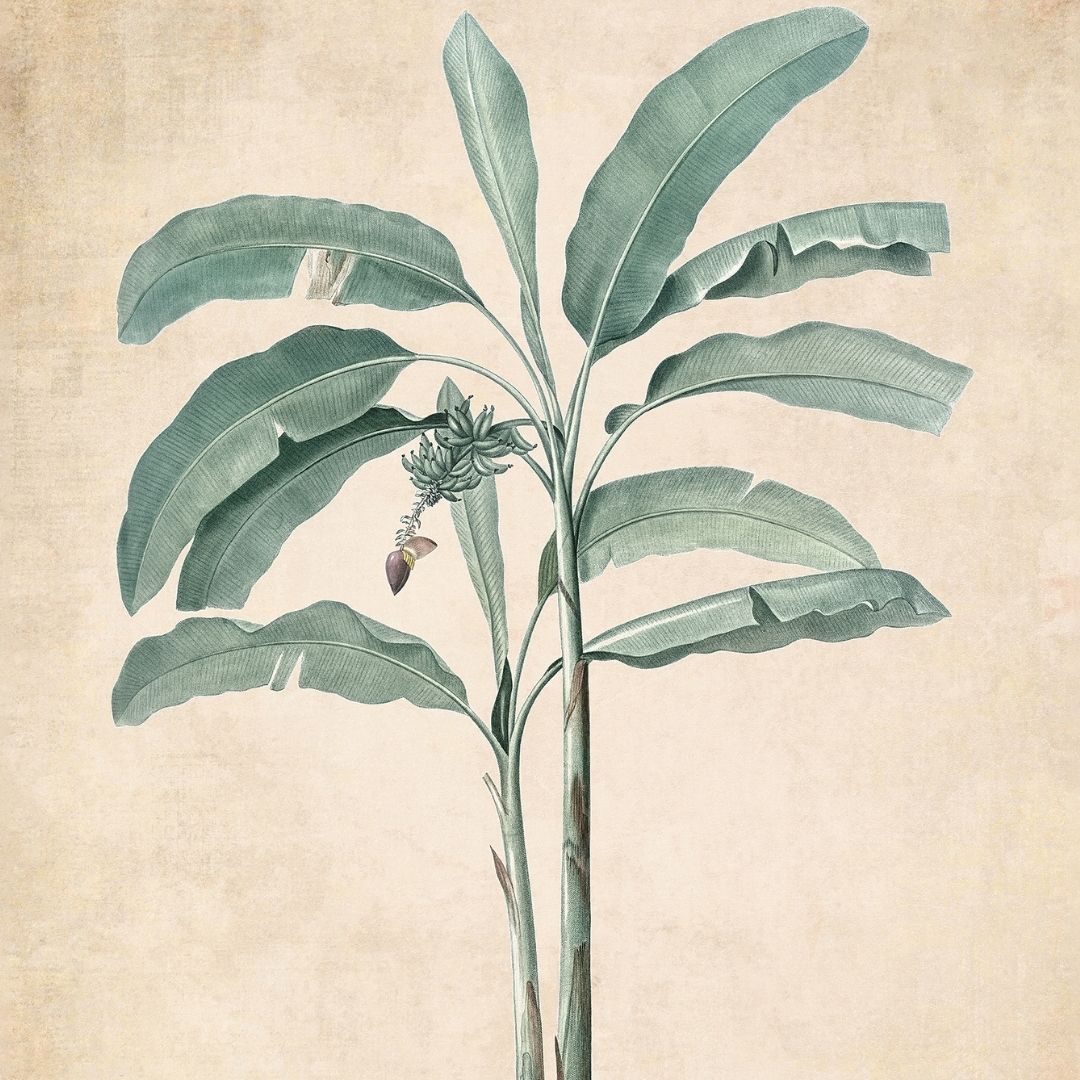
Lotus, banana leaves, jasmine vines, and Mughal floral patterns are especially popular.
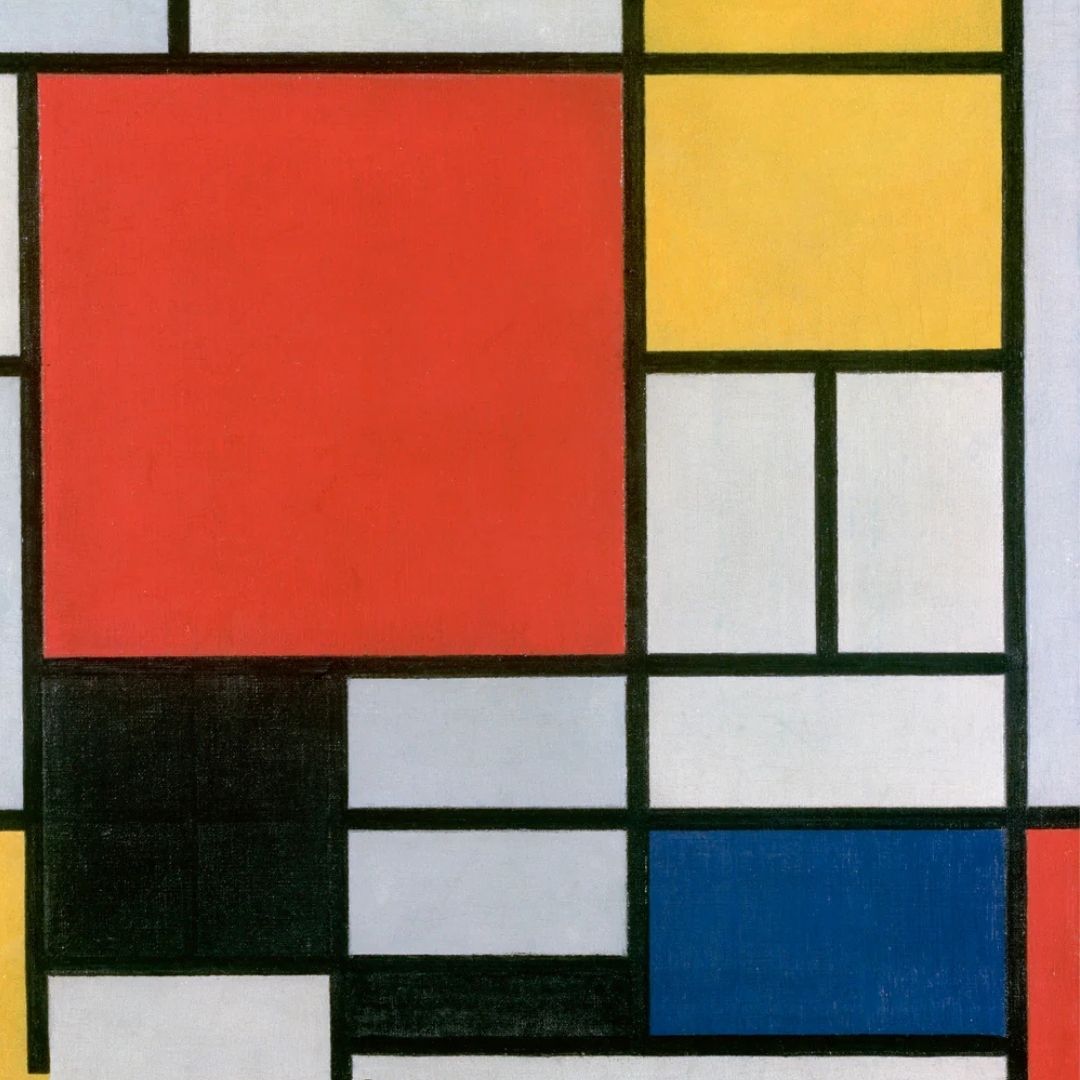
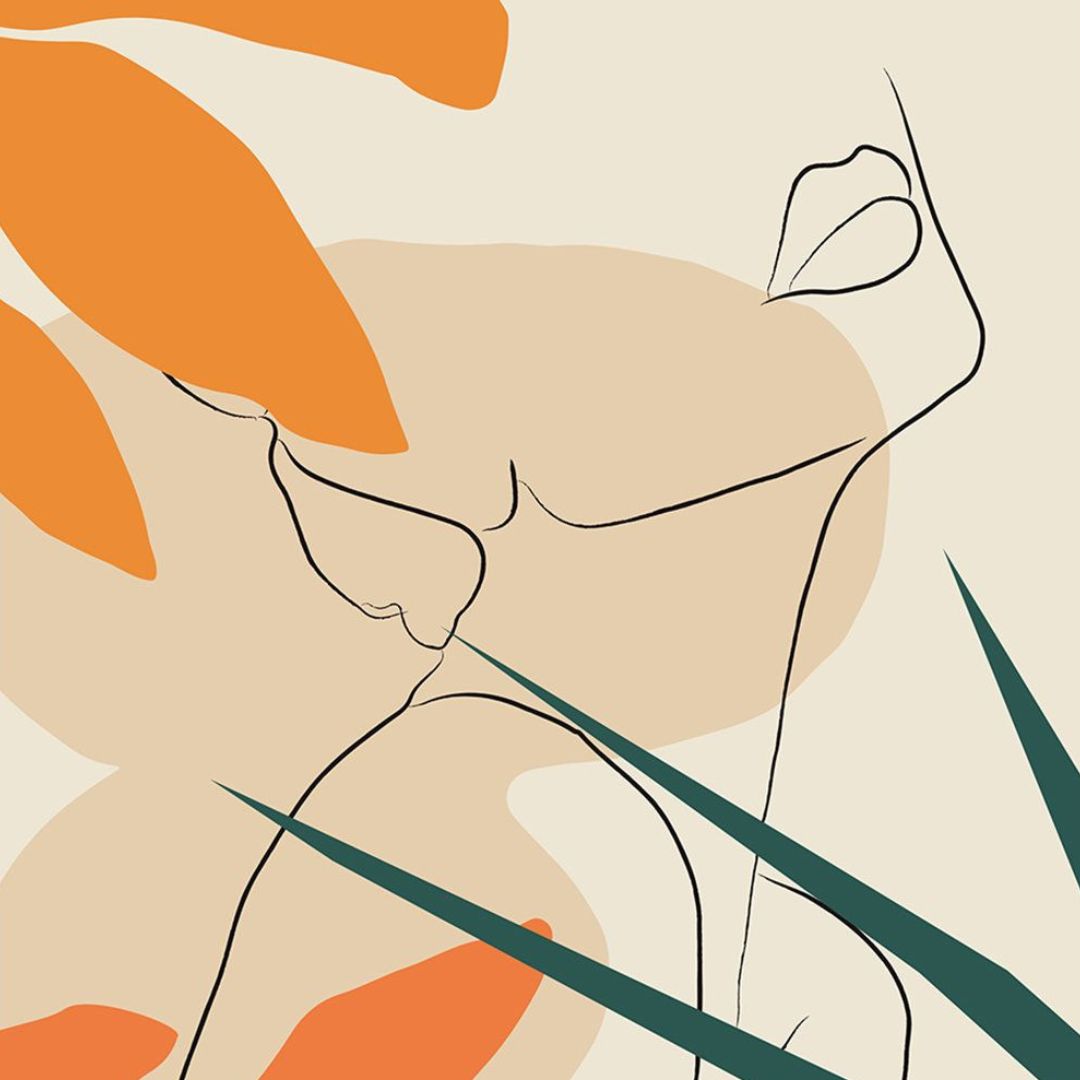
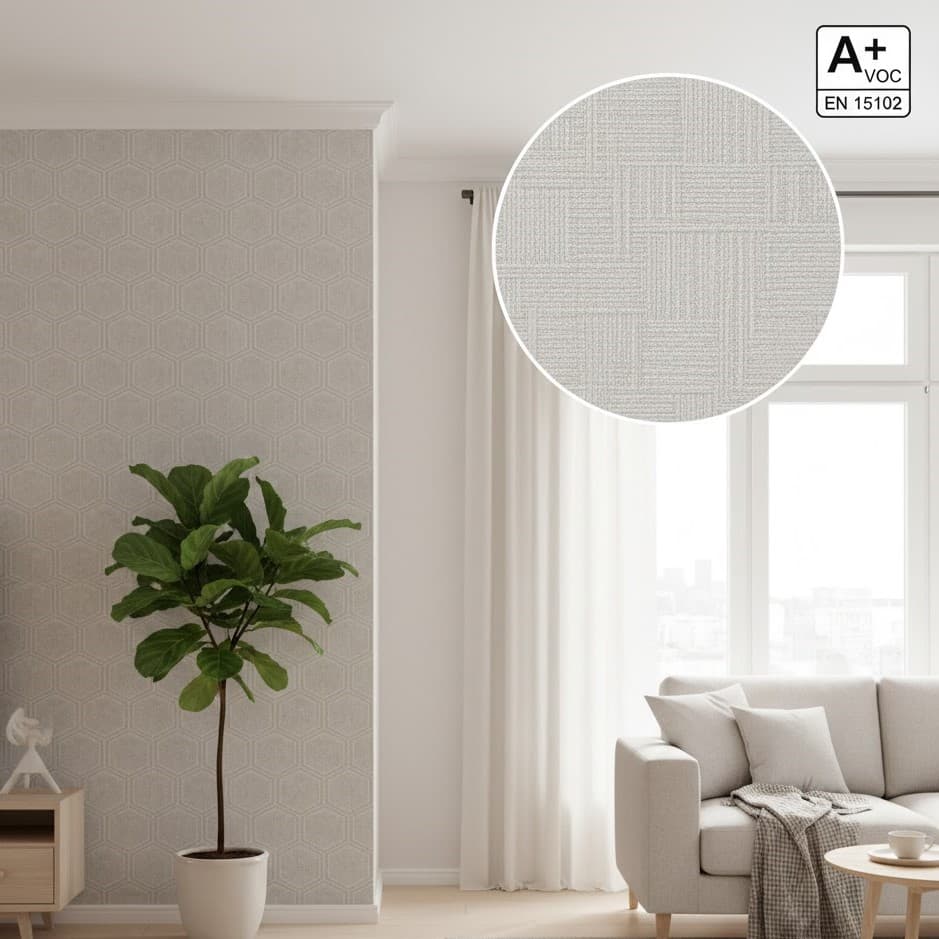
5. Geometric & minimalist wall art – modern Indian aesthetics
What it means:
Clean lines, shapes, symmetry, and simplicity.
Why it’s loved:
- Matches modern apartments
- Creates a clutter-free, elegant aesthetic
- Appeals to younger urban buyers
Best suited for:
- Living rooms with modern furniture
- Workspaces
- Minimalist bedrooms
Indian influence:
Jaali patterns, mandala symmetry, temple geometry subtly inform modern geometric designs.
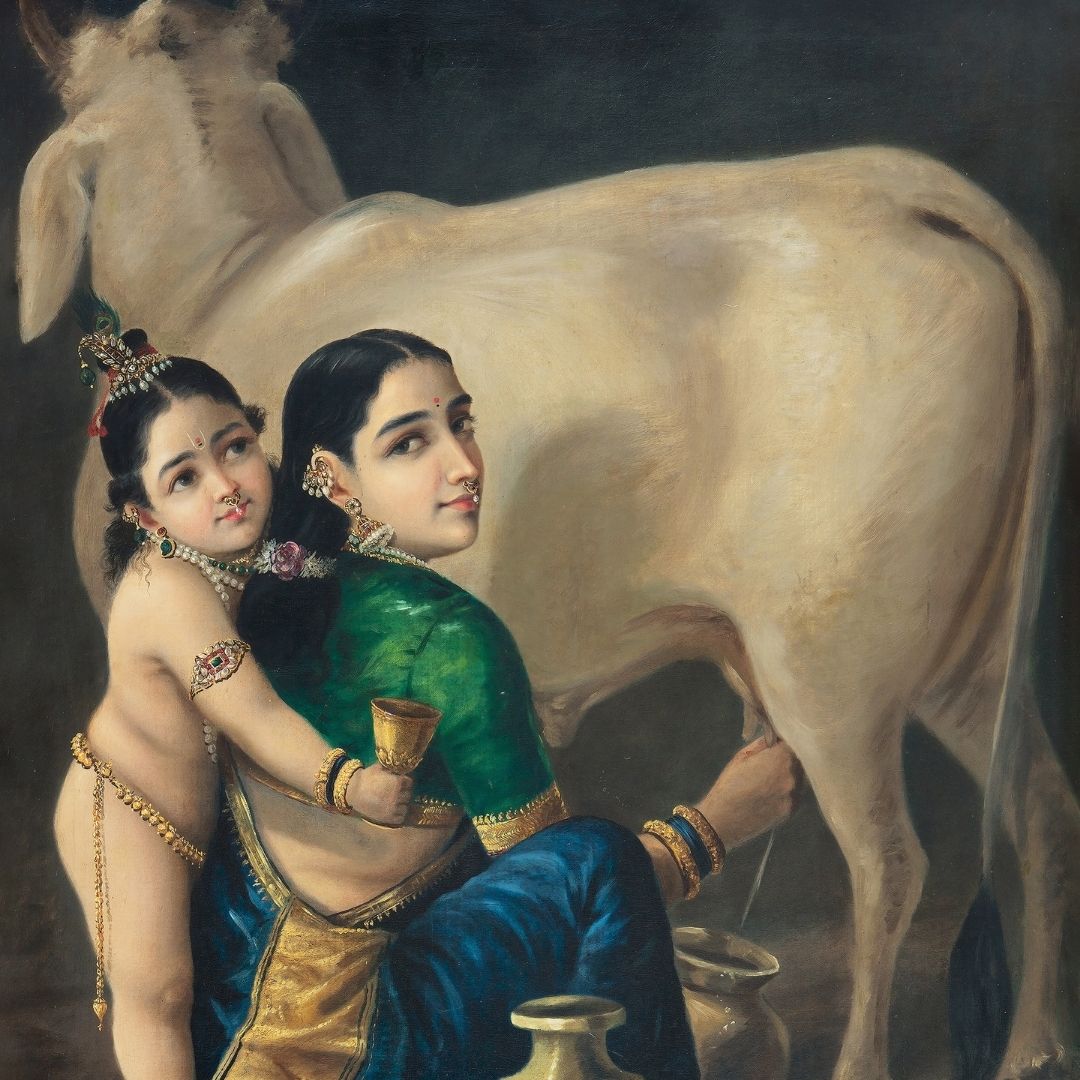
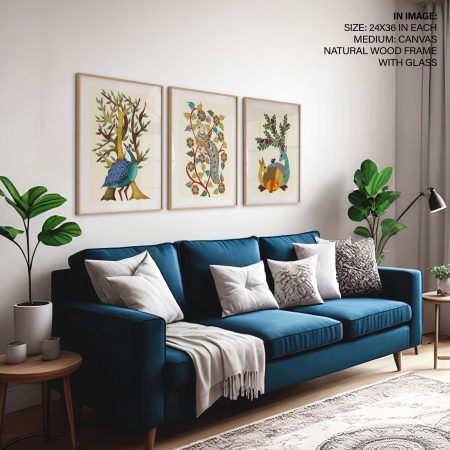
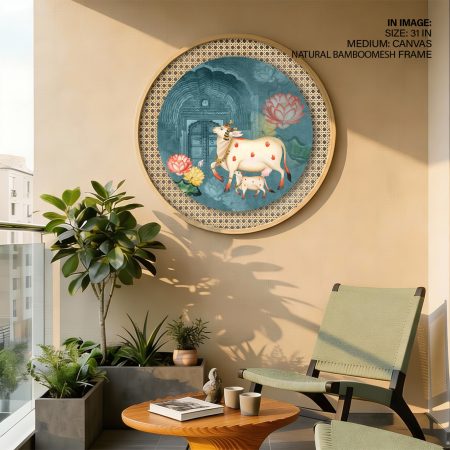
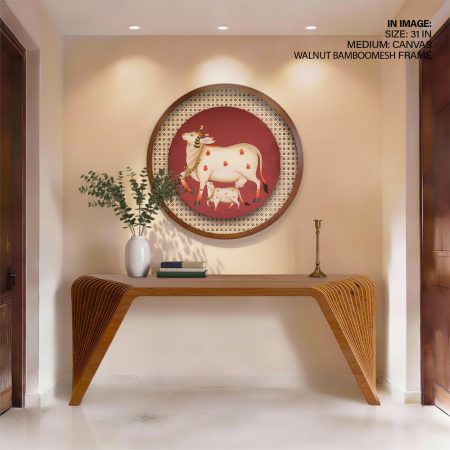
6. Traditional Indian art designs – motifs, regions & cultural meaning
Design types include:
- Madhubani
- Warli
- Gond
- Pattachitra
- Kashmiri papier-mâché style
- Mughal-inspired miniature motifs
- Rajasthani folk art
Why Indians love it:
- Connects to heritage
- Works beautifully with wooden furniture
- Adds storytelling and emotional richness
Best suited for:
- Living rooms
- Dining rooms
- Cultural or heritage-themed spaces
- Hallways
Traditional art blends beautifully with both vintage and contemporary interiors.
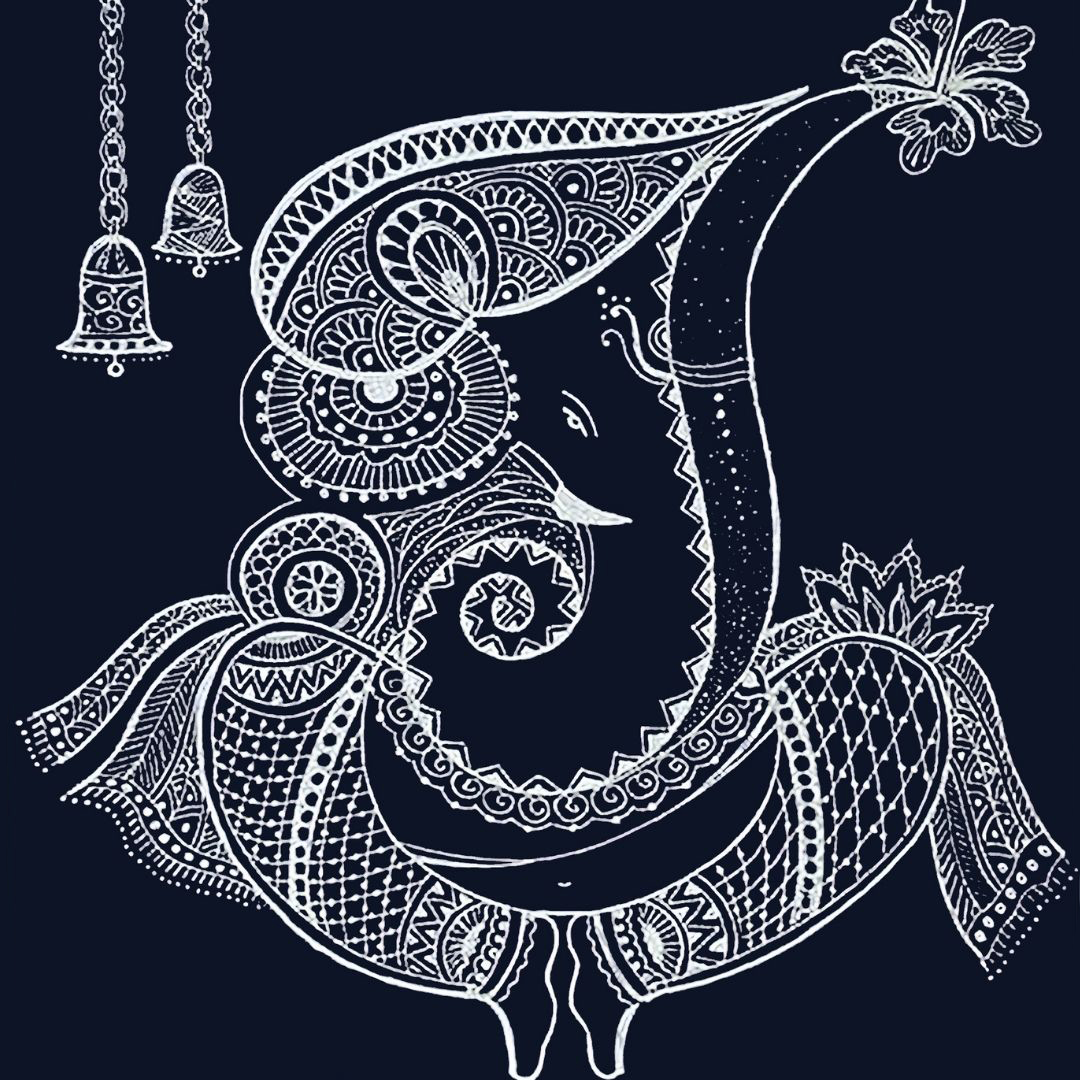
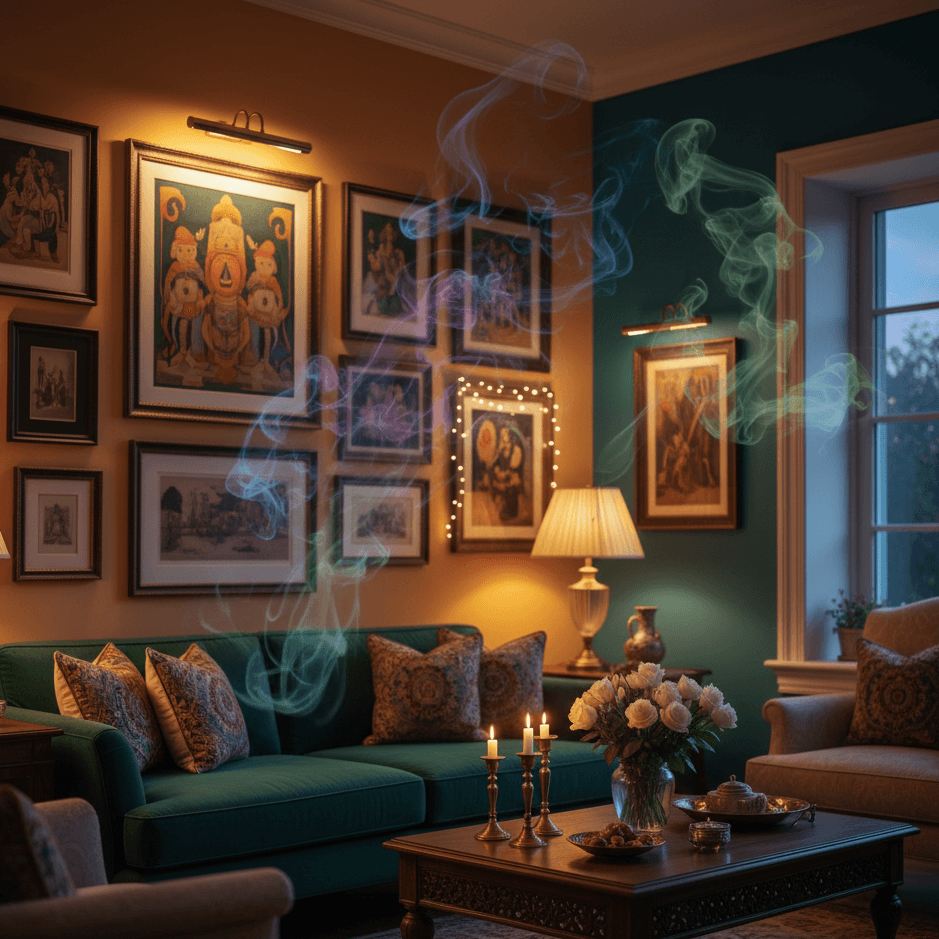
7. Spiritual & mandala wall art – energy, Vastu, and room suitability
What it represents:
Harmony, balance, higher consciousness.
Common motifs:
- Mandalas
- Buddha-inspired art
- Om, Trishul, Lotus
- Chakra symbols
Vastu guidelines:
- East-facing walls: spiritual art
- Meditation rooms: mandalas and calming colours
- Bedrooms: soft spiritual abstracts
Best suited for:
- Puja rooms
- Meditation corners
- Entryways
- Bedrooms
These designs create peace, focus, and spiritual anchoring.
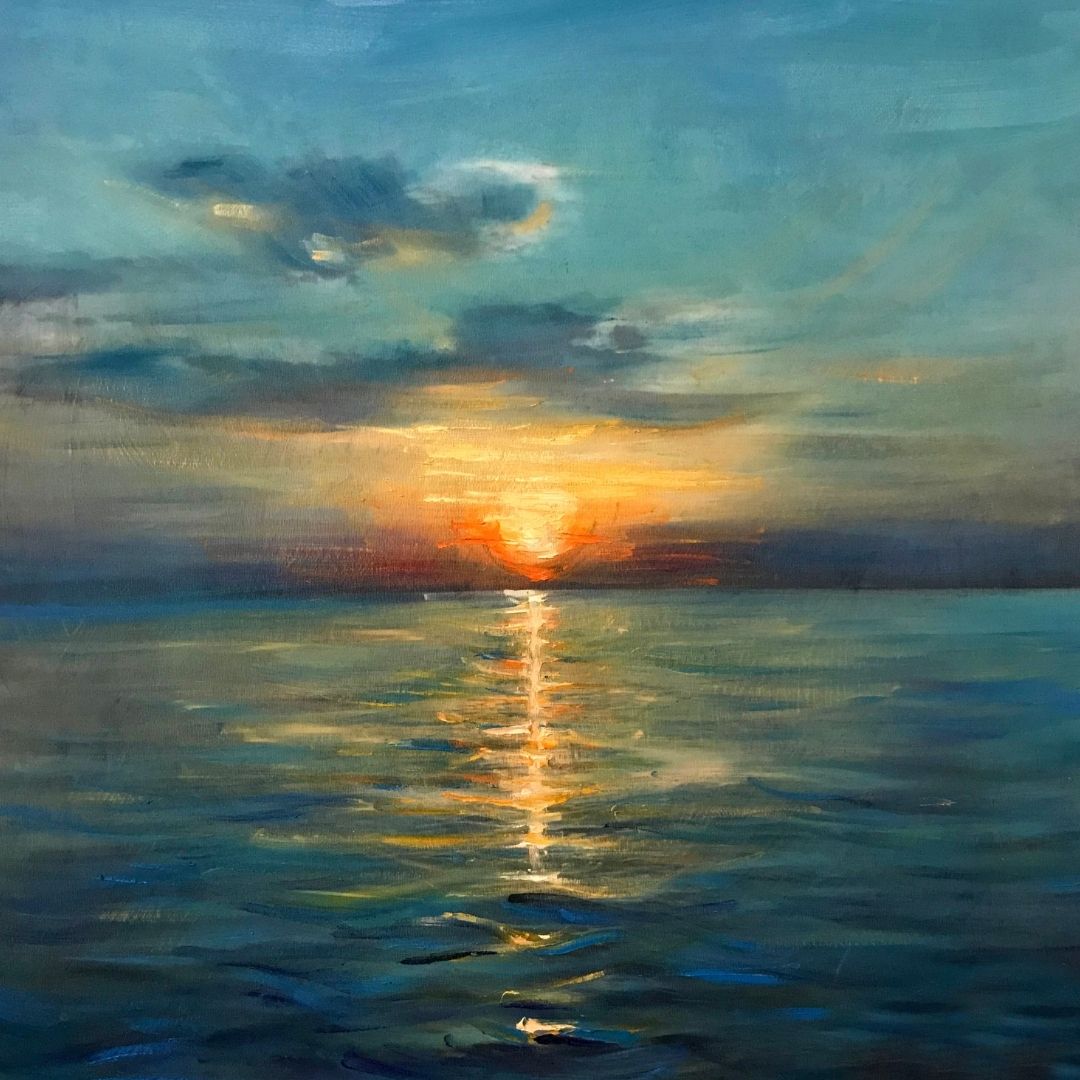
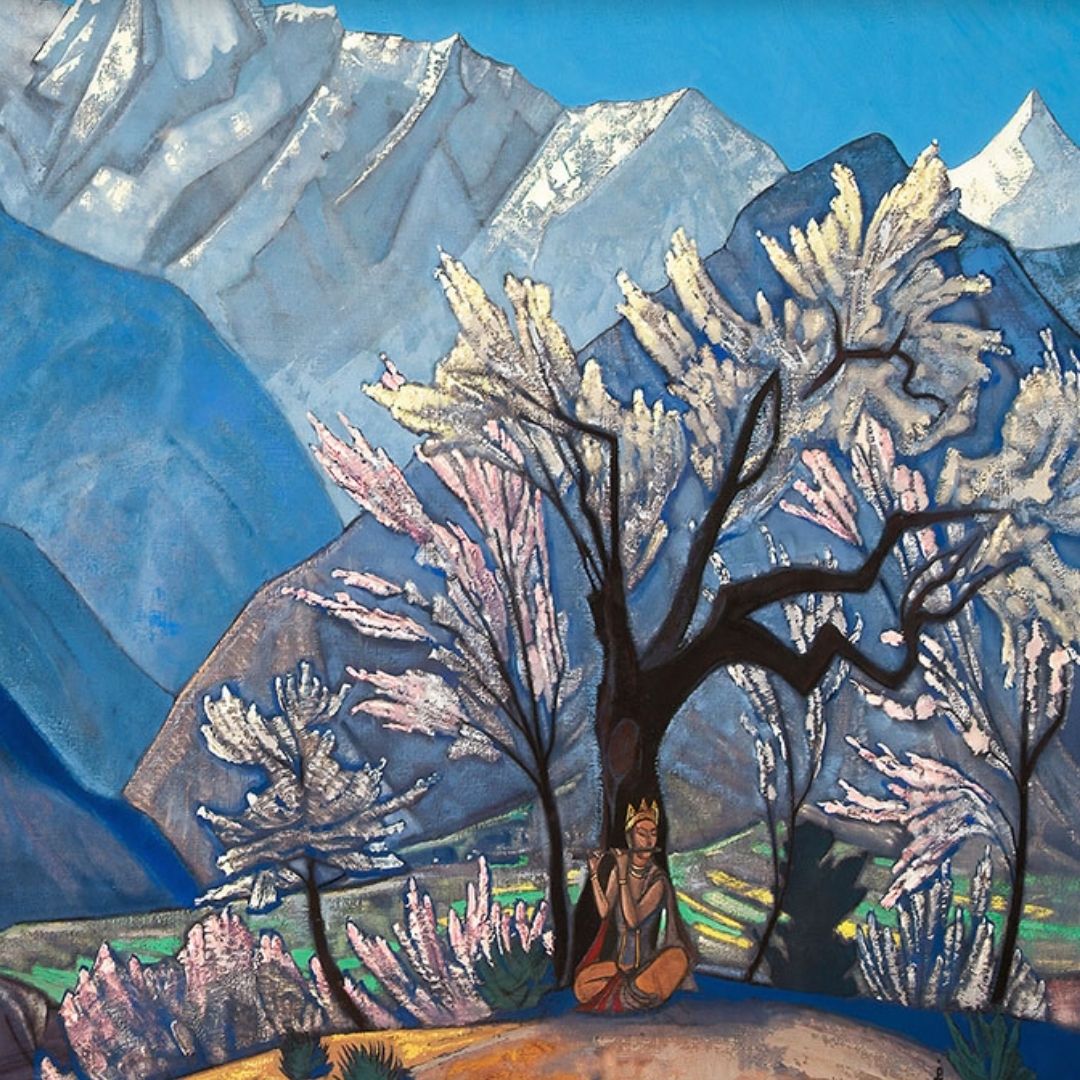
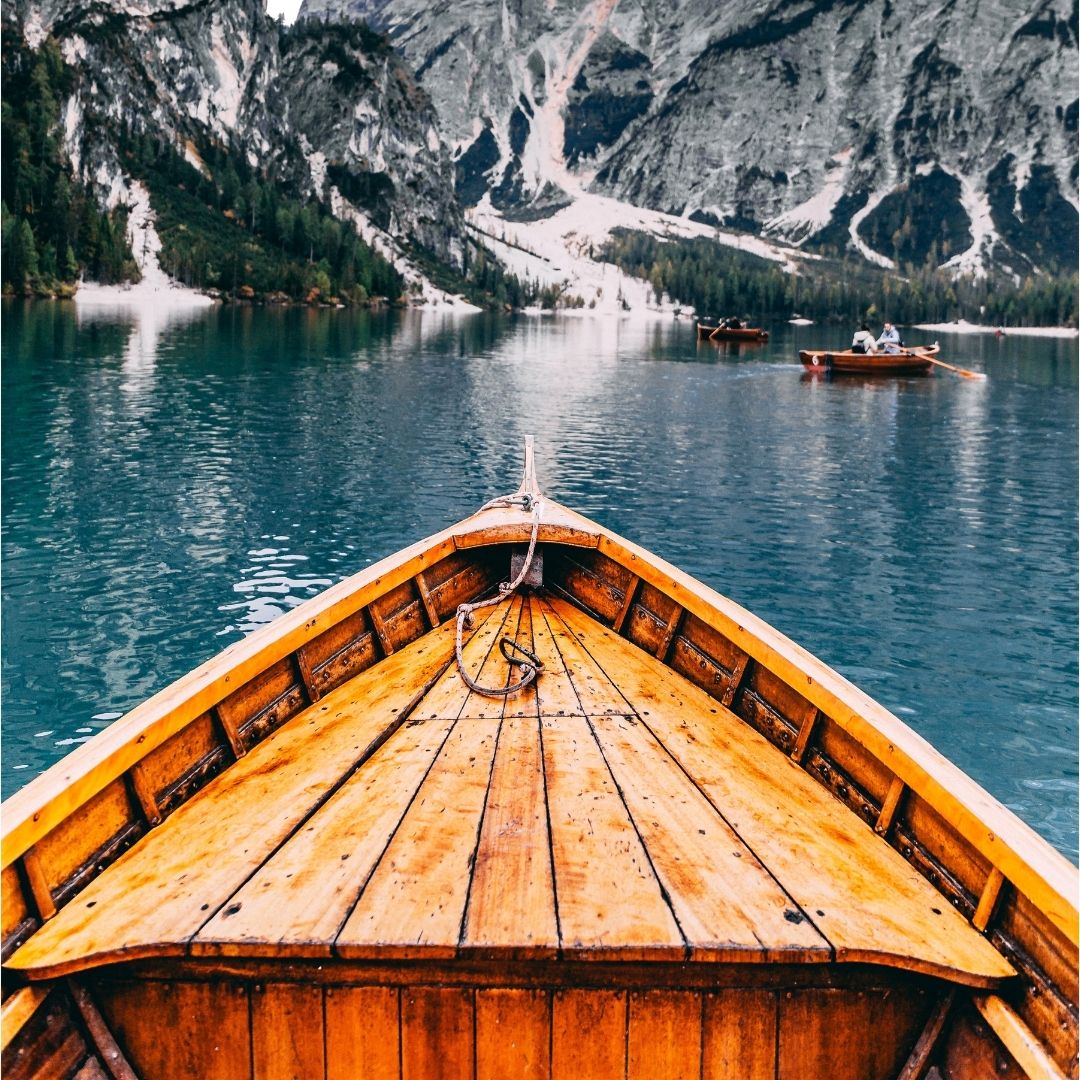
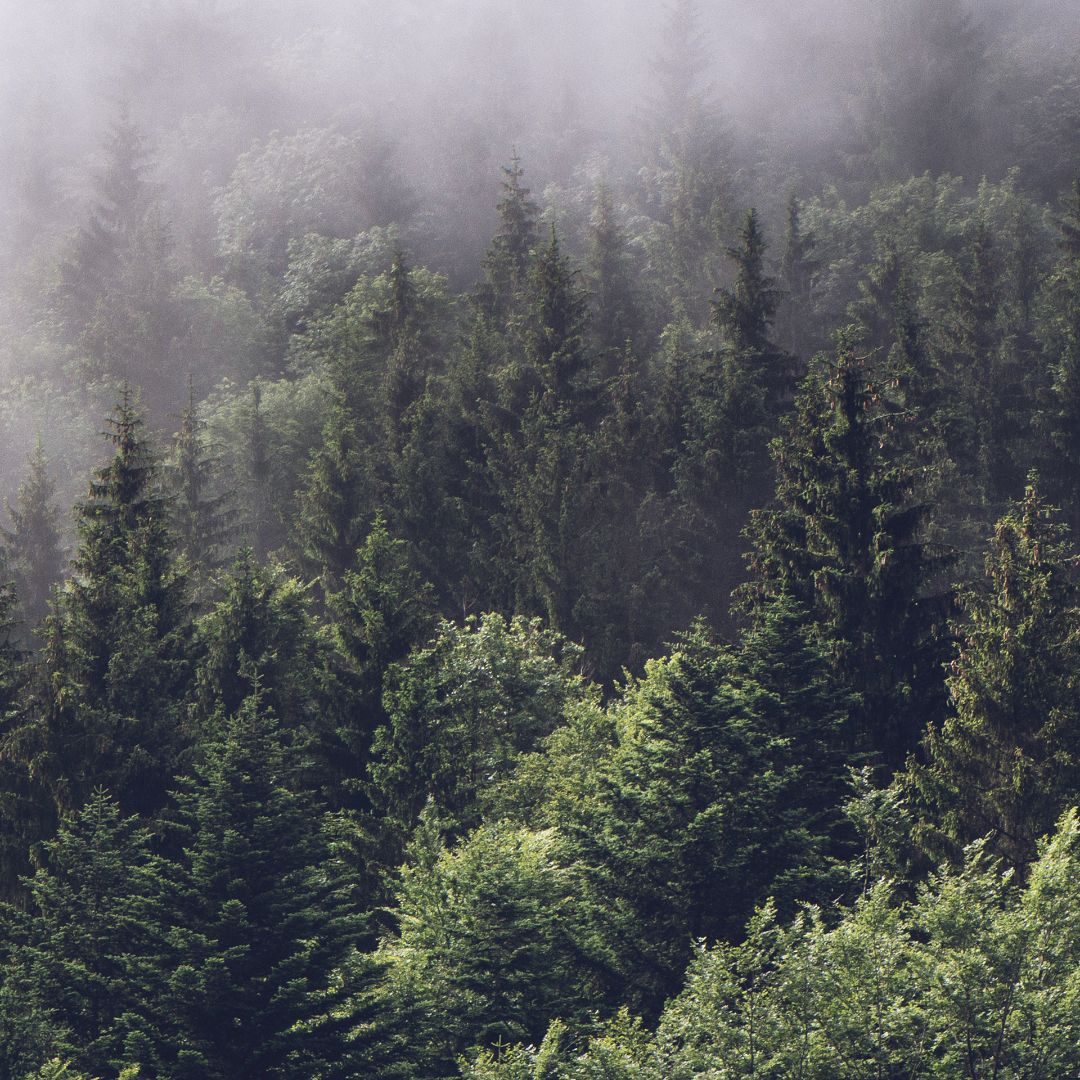
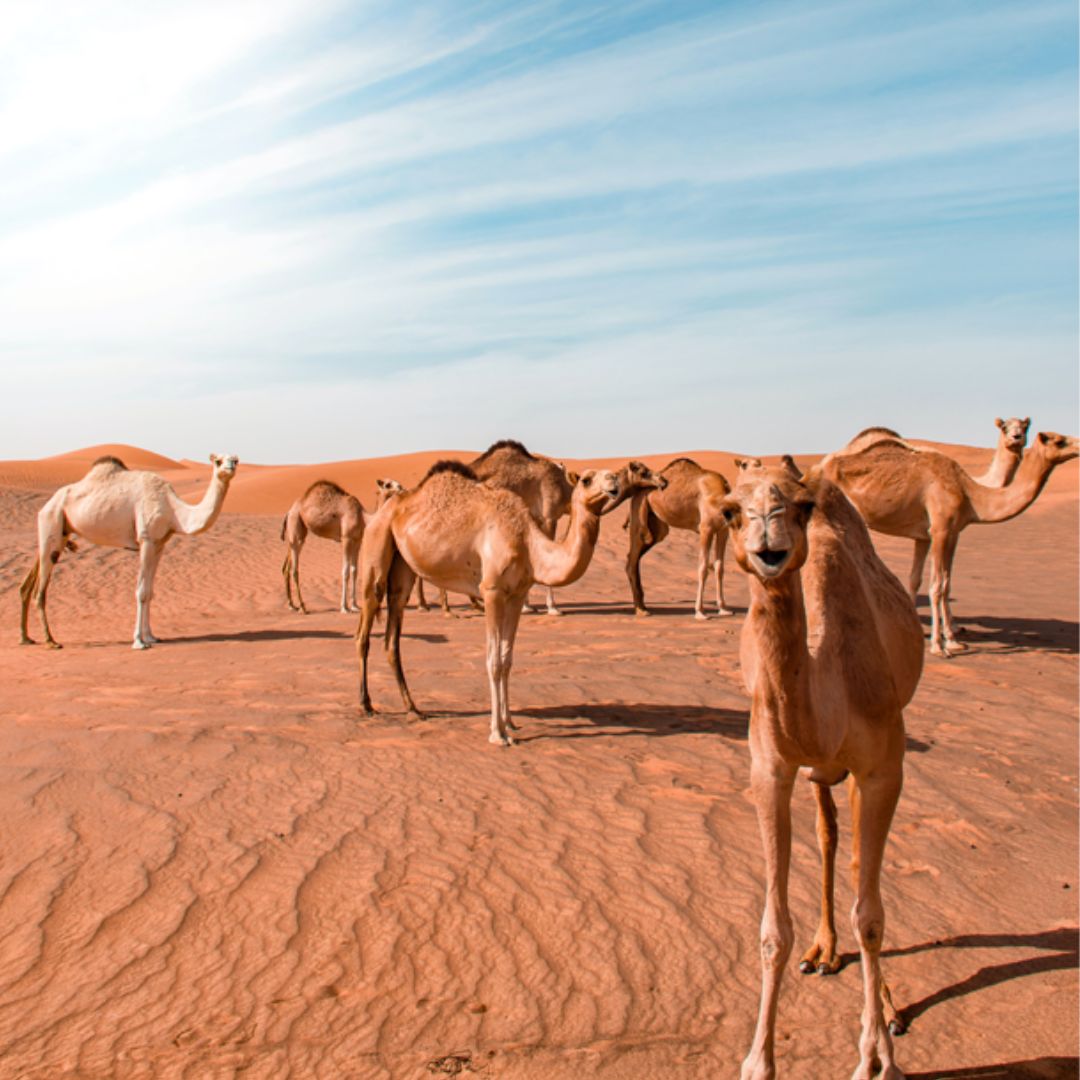
8. Landscape & nature-inspired designs – emotional and visual impact
What it means:
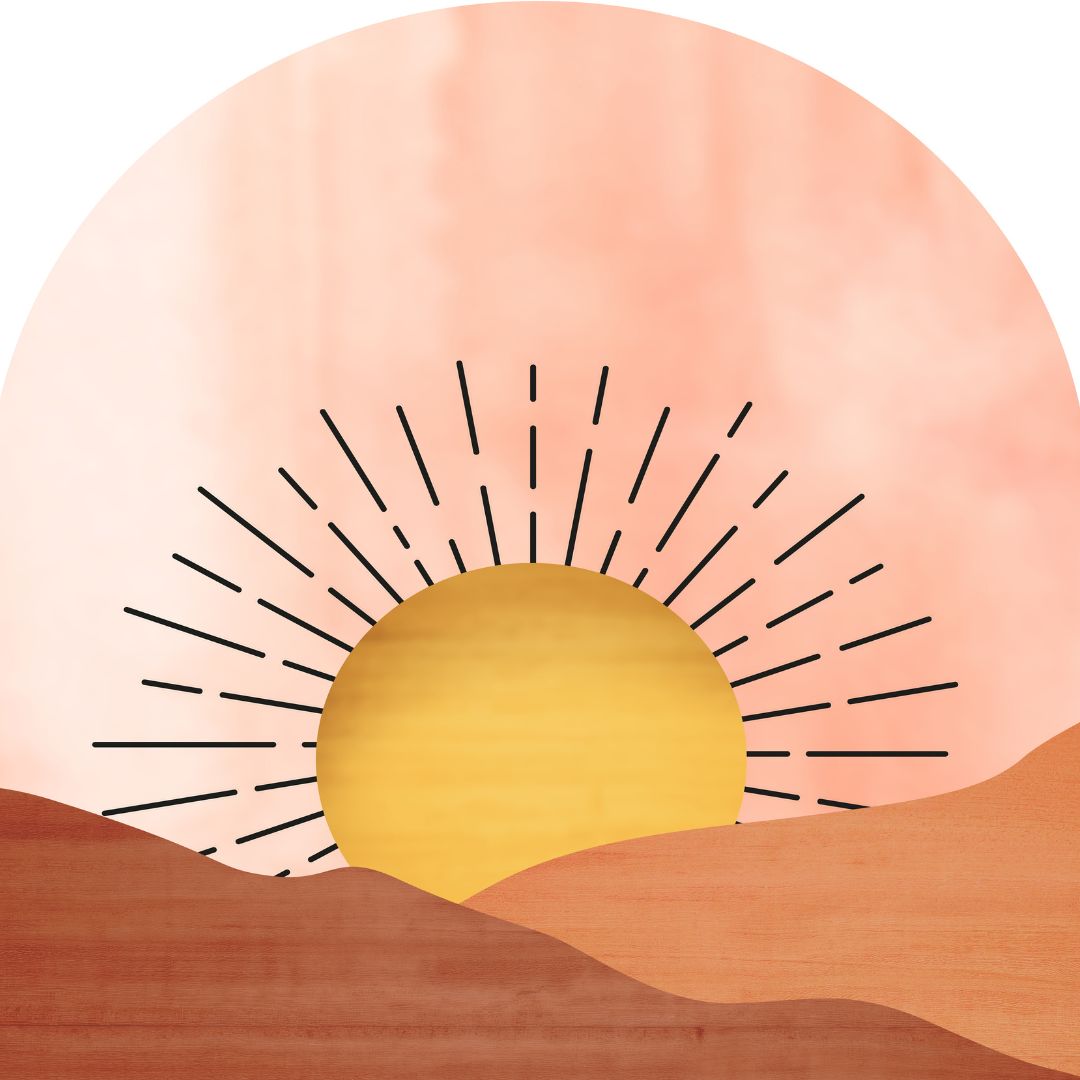
Art featuring mountains, forests, beaches, deserts, skies.
Impact:
- Creates depth and openness
- Reduces stress
- Brings nature indoors
Best suited for:
- Small rooms that need visual expansion
- Living rooms
- Bedrooms
Indian context:
Himalayan landscapes, Kerala backwaters, Rajasthan dunes are growing themes.
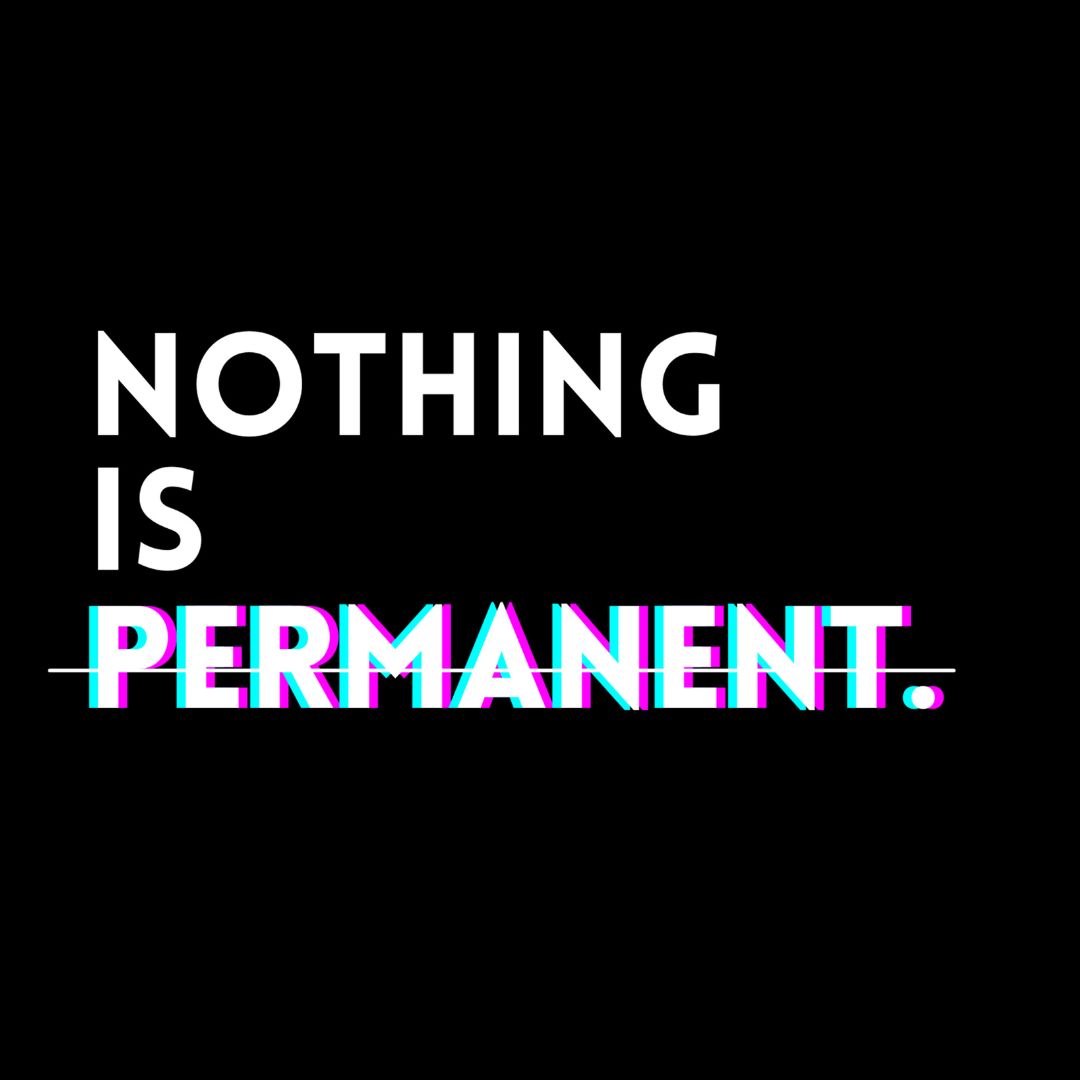
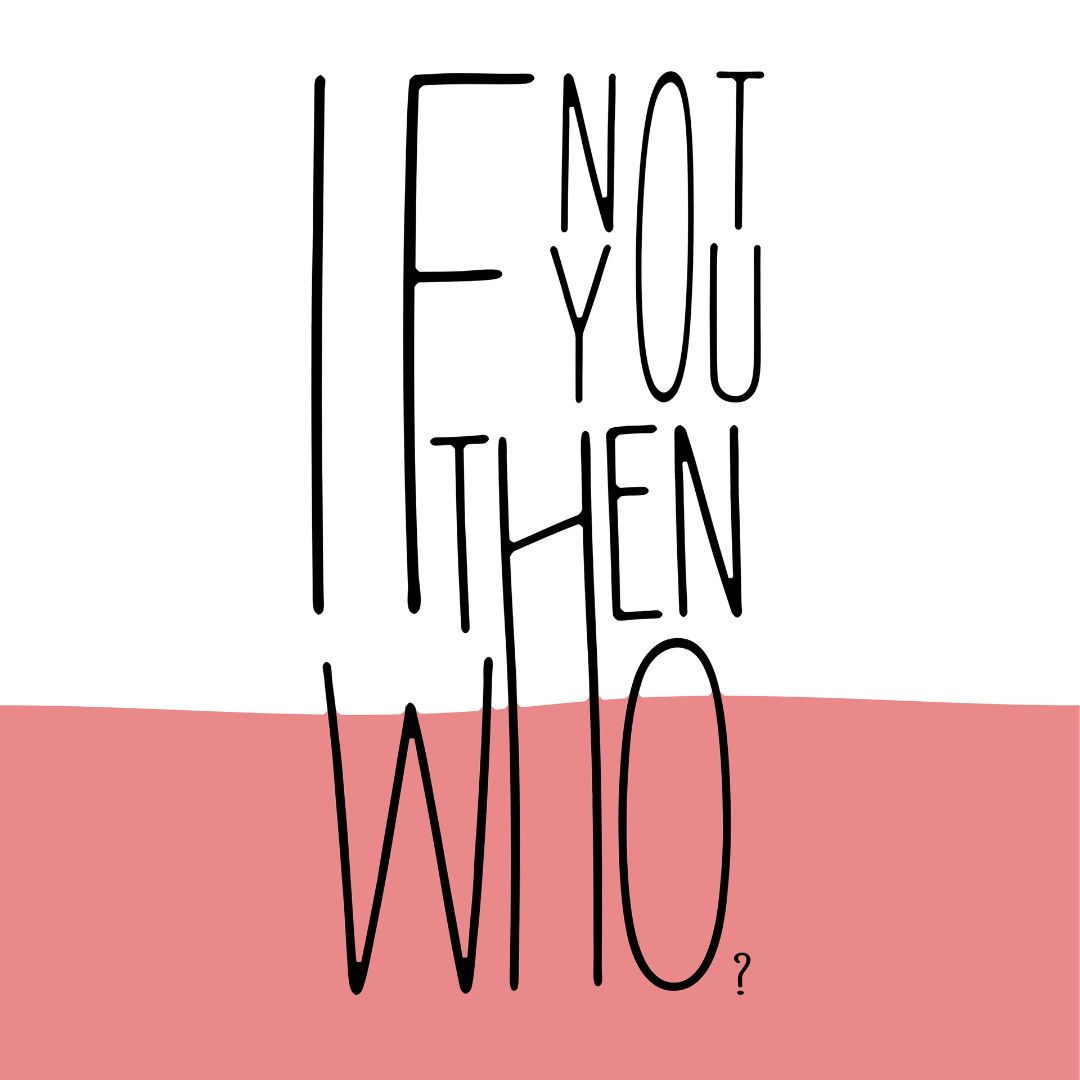
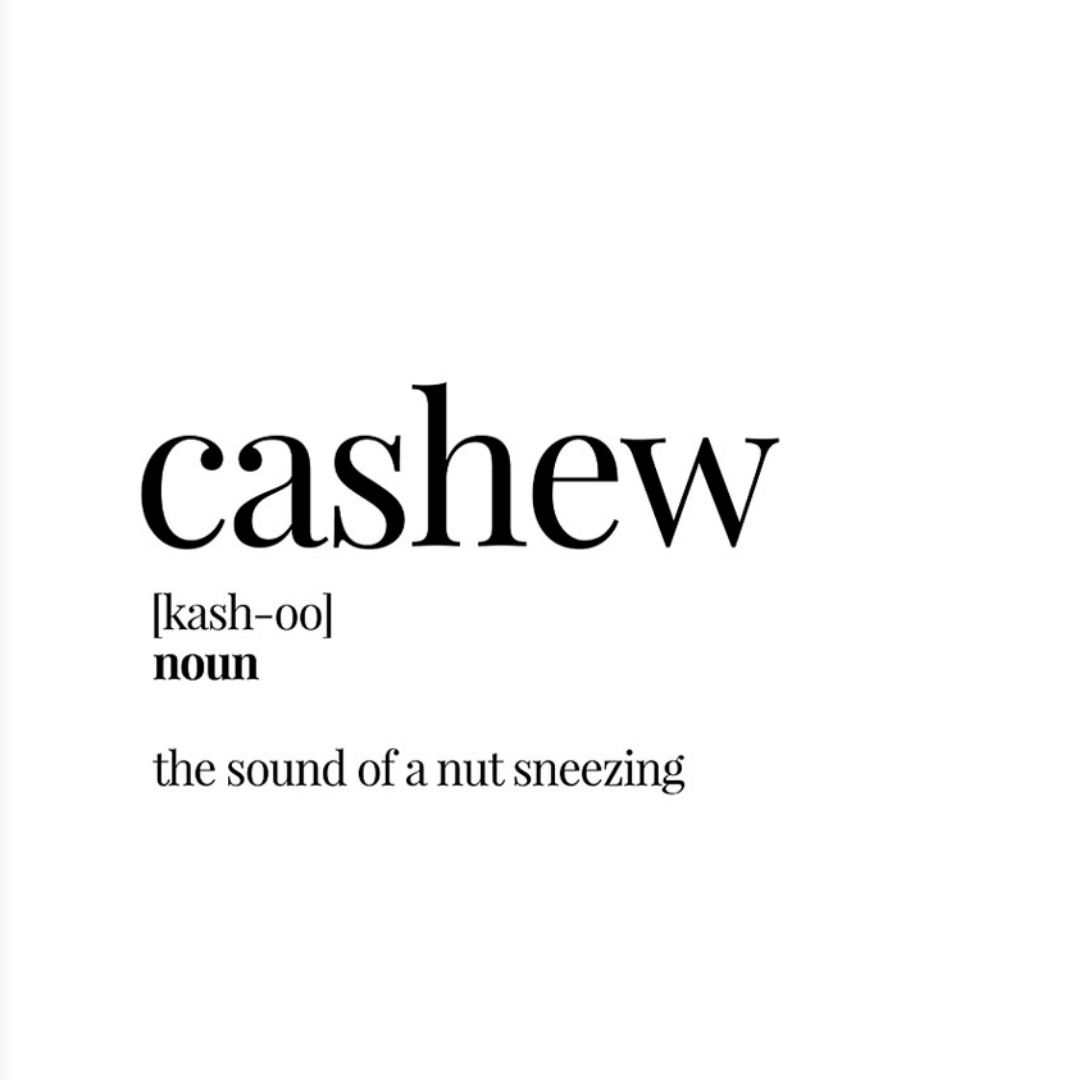
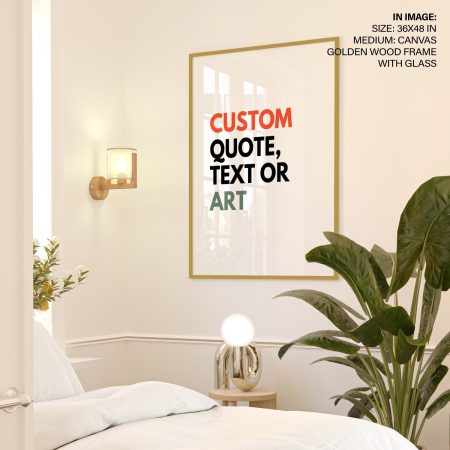
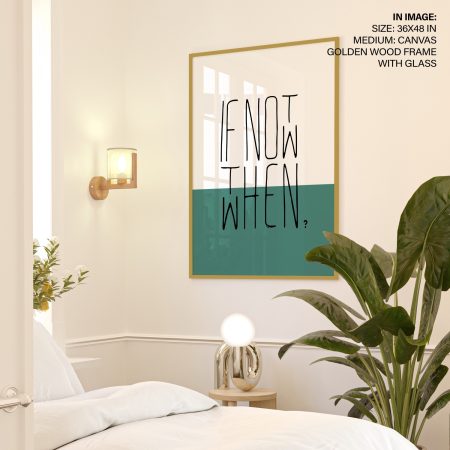
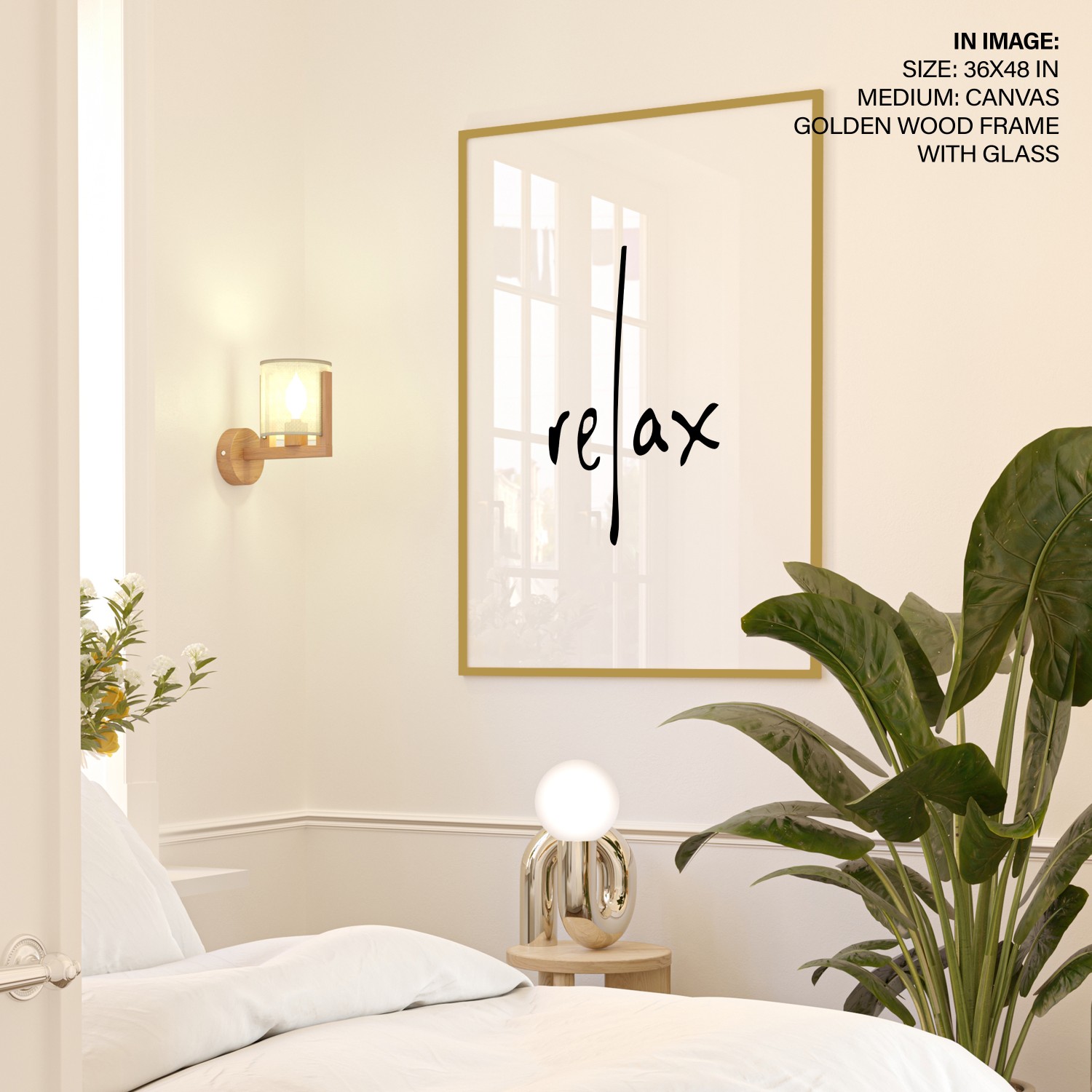
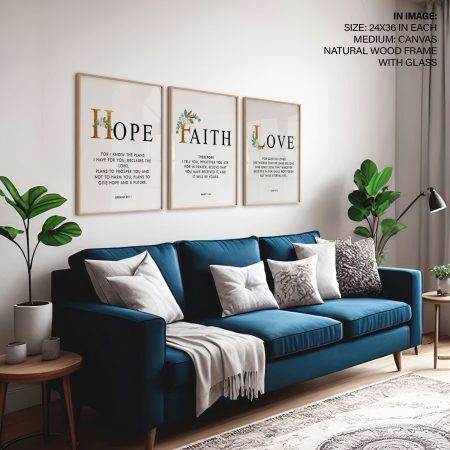
9. Typography & quote-based art – best for workspaces and modern homes
What they do:
Motivate, inspire, entertain.
Best suited for:
- Work-from-home offices
- Teen rooms
- Living rooms with modern décor
- Coffee corners
Styles:
- Bold statements
- Minimal serif fonts
- Handwritten calligraphy
- Sanskrit shlokas
- Humorous phrases
Typography works well for spaces that need personality and intention.
10. Textured & 3D wall art – depth, mood, and lighting considerations
What it is:
Art featuring raised surfaces, layers, sculptural elements.
Why it works:
- Adds richness and luxury
- Creates shadow play
- Elevates premium interiors
Materials include:
- Wood
- Metal
- Resin
- Layered MDF
- Linen-mounted textures
Best suited for:
- Living rooms
- Bedrooms
- Entry hallways
Lighting plays a crucial role—spotlights or wall washers enhance the 3D effect.
11. Kids’ wall art designs – age-wise recommendations
For toddlers:
Pastels, animals, simple shapes
For young children (4–10):
Educational art, alphabets, space, nature illustrations
For teens:
Typography, modern abstract, aesthetic patterns
Indian themes:
Panchatantra-inspired art, Indian animals, festival scenes
Kids' art should support learning, creativity, and emotional comfort.
12. Choosing design styles based on room type
Living Room:
Abstract, botanical, traditional Indian art, 3D art
Bedroom:
Calming abstracts, florals, spiritual mandalas
Dining Room:
Botanical, geometric, luxury metallics
Home Office:
Typography, geometric, minimal abstracts
Kids’ Room:
Playful, educational, colourful designs
Hallways:
Vertical patterns, mini gallery wall sets
Every room has its own vibe—design should enhance that energy.
13. Pairing different wall art designs together (mixing rules)
General rules:
- Choose one dominant design style
- Balance busy designs with minimal neighbours
- Maintain a common colour palette
- Vary size and shape for visual interest
Good combinations:
- Abstract + botanical
- Minimalist + geometric
- Traditional Indian + modern frames
- Textured 3D + neutral abstract
Avoid:
- Mixing too many themes
- Clashing colours
- Overcrowding small walls
The key is harmony, not uniformity.
14. Matching design styles with Indian interior themes
Modern Indian Homes:
Abstract, geometric, muted botanicals
Luxury Homes:
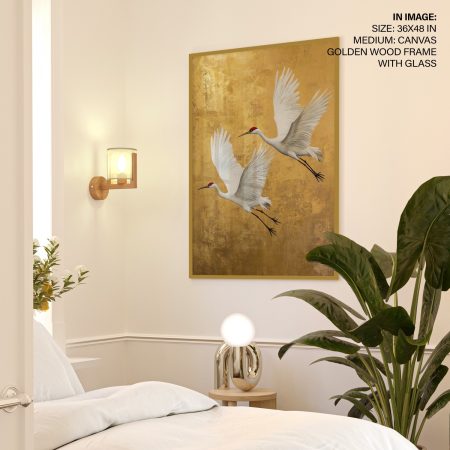
Gold accents, metallic abstracts, 3D textured art
Traditional Homes:
Ethnic motifs, Indian folk art, mandalas
Boho Indian:
Colourful botanicals, earthy abstracts, tribal art
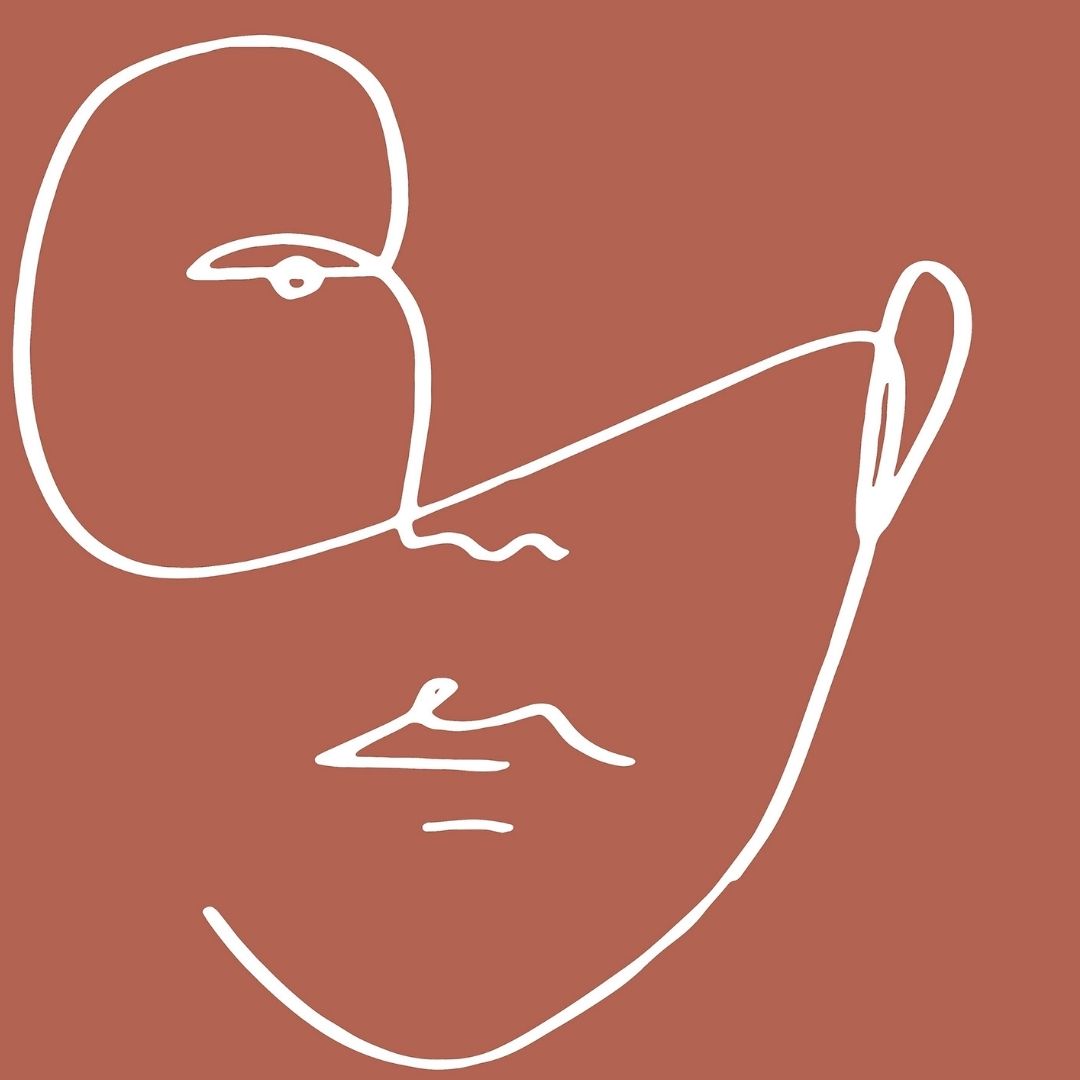
Minimal Homes:
Line art, monochrome abstracts, soft landscapes
Wall art should complement the home’s visual identity.
15. Expert styling tips to choose the right wall art design
- Start with the design style that reflects your personality
- Use one statement piece rather than many small, unrelated pieces
- Ensure the art’s design aligns with room function
- Follow the 60-30-10 rule (dominant colour – secondary – accent)
- Use lighting to elevate textured or metallic designs
- Pick designs that complement—not compete with—furniture
The right design transforms wall art from décor into storytelling.