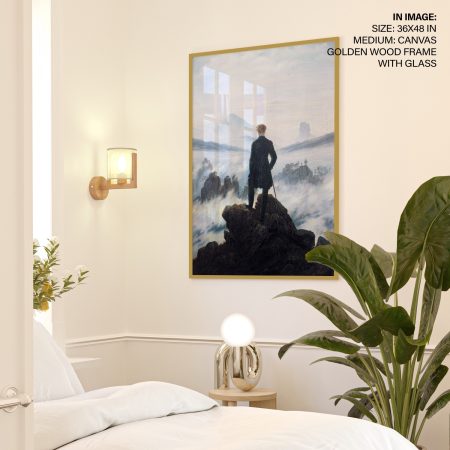
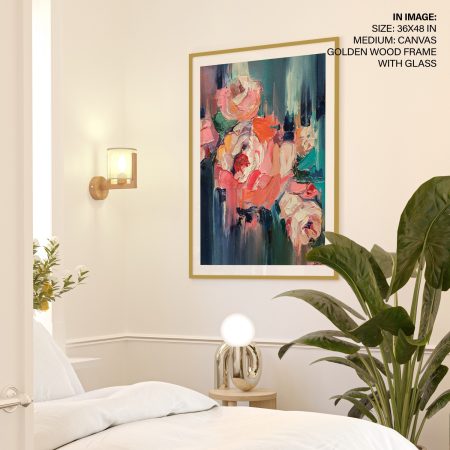
Expressionism Wall Art by Design: The Complete India-Focused Guide
Table of Contents
- What Expressionism represents in wall art
- Why Expressionist wall art resonates with modern Indian homes
- Core characteristics of Expressionism
- Types of Expressionist wall art
- Popular colours, moods, and themes in Expressionism
- Best rooms for Expressionist wall art
- Expressionist art for different age groups
- Indian cultural and artistic influences connected to Expressionism
- How to pair Expressionist wall art with furniture, décor, and lighting
- Interior design styles that complement Expressionism
- Installation and placement tips
- Expert styling tips
- Why Expressionism is becoming a top décor trend
1. What Expressionism represents in wall art
Expressionism is an art movement that prioritises emotion over realism. Instead of depicting the world as it looks, Expressionism portrays it as it feels—dramatic, intense, raw, and deeply personal. Brushstrokes are bold, colours are exaggerated, and compositions are intentionally imperfect to convey emotional truth.
In décor, Expressionist art brings emotional depth, drama, and a powerful visual presence to a room.
2. Why Expressionist wall art resonates with modern Indian homes
India today is fast-paced, expressive, and design-forward. Expressionist art works beautifully because:
- It adds high-impact visual drama to modern interiors
- It acts as a strong focal point
- It blends well with wooden, minimal, or luxury decor
- It helps homeowners express individuality
- It energises living spaces and creates conversation
In compact apartments, one large Expressionist artwork can transform the entire ambience.
3. Core characteristics of Expressionism
Expressionist art typically features:
- Bold, emotional brushstrokes
- Strong contrast and saturated colours
- Intense, moody or chaotic compositions
- Raw textures and layered paint
- Distorted or exaggerated forms
- High emotional impact
- Abstract storytelling rather than literal representation
Every piece feels alive and expressive.
4. Types of Expressionist wall art
Abstract Expressionism
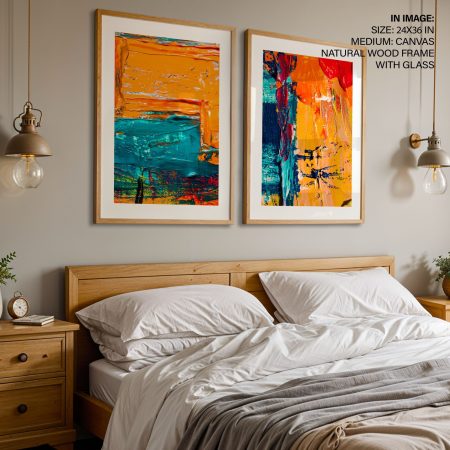
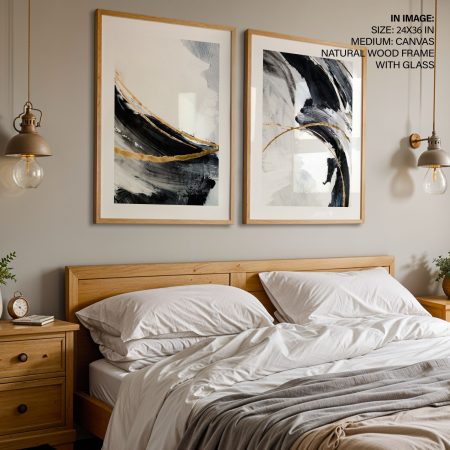
Large strokes, splashes, drips—emotional and dramatic.
Figurative Expressionism
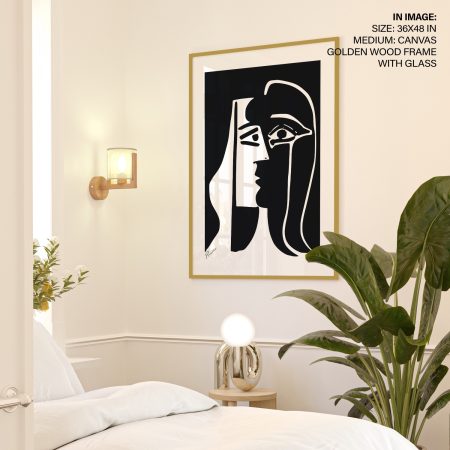
Human forms depicted with distortion, intensity, or expressive colours.
Colour Field Expressionism
Large colour blocks that express mood or emotion.
Textured Expressionism
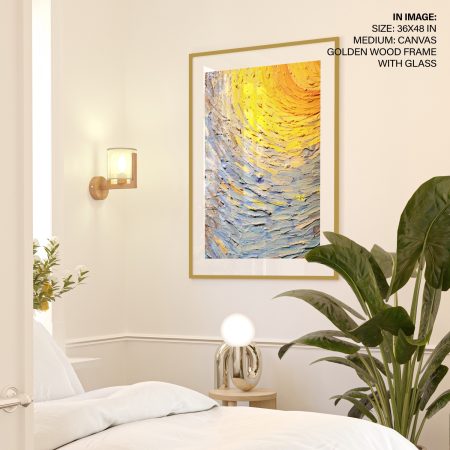
Palette knife strokes, thick acrylic layers, or 3D textures.
Contemporary Indian Expressionism
Indian colour palettes, cultural motifs, or spiritual undertones expressed with intensity.
Urban Expressionism
Chaotic city forms, gritty lines, monochrome strokes.
Expressionism is diverse and highly adaptable.
5. Popular colours, moods, and themes in Expressionism
Colours
- Deep blues and navy
- Fiery reds and oranges
- Black and charcoal
- Golden and ochre tones
- Emerald and olive
- Earthy or moody palettes
- High-contrast combinations
Moods
- Energetic
- Intense
- Emotional
- Dramatic
- Mysterious
- Reflective
Themes
- Emotional turbulence
- Human introspection
- Chaos and movement
- Spiritual transcendence
- Nature interpreted through emotion
Expressionism is perfect when you want art to say something.
6. Best rooms for Expressionist wall art
Living Room
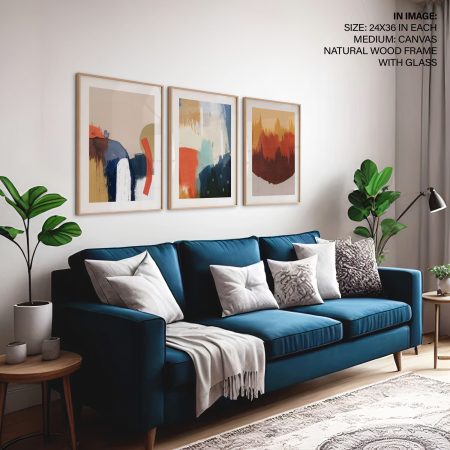
Bold abstract Expressionism becomes the centrepiece.
Dining Room
Deep-toned expressive art adds warmth and sophistication.
Bedroom
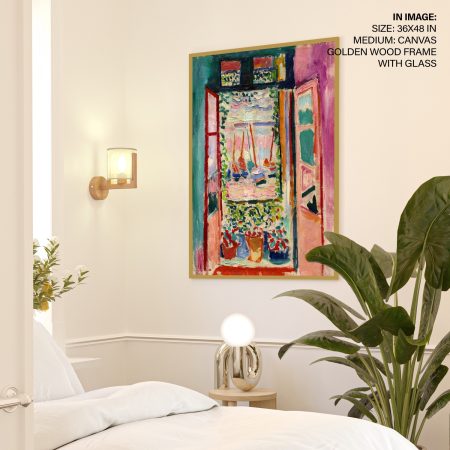
Choose softer, mood-driven pieces—avoid overly chaotic ones.
Home Office
Use Expressionism when creativity and inspiration are needed.
Hallways
Vertical expressive pieces add dynamic energy.
Entryway
Make a dramatic first impression with a powerful artwork.
Expressionist art demands attention—use it where impact matters.
7. Expressionist art for different age groups
Teens & Young Adults
Energetic, colourful, emotional Expressionism.
Adults
Layered abstracts, textured strokes, earthy palettes.
Professionals
Muted expressive pieces for offices or work zones.
Seniors
Gentler Expressionist works with soft blues and warm hues.
Expressionism adapts to emotional needs and lifestyle stages.
8. Indian cultural and artistic influences connected to Expressionism
Though traditionally a Western movement, Expressionism blends beautifully with Indian artistic roots:
- Indian spiritual turmoil, devotion, and introspection are poetic, emotional subjects
- Indian folk art often uses exaggerated forms—similar to Expressionist intent
- Colour symbolism in India (vermilion red, turmeric yellow, indigo blue) enriches Expressionist palettes
- Contemporary Indian artists reinterpret mythology and nature expressively
- Expressionist forms pair well with rustic Indian textures—raw wood, earthy walls, brass accents
Indian culture embraces emotion, making Expressionism feel surprisingly natural in Indian homes.
9. How to pair Expressionist wall art with furniture, décor, and lighting
Furniture Pairing
- Clean-lined modern furniture lets the art stand out
- Wooden tones (teak, walnut) add warmth
- Black or metal accents enhance contrast
- Minimal cushions and décor prevent visual overload
Décor Pairing
- Ceramic planters
- Matte-finish vases
- Metallic gold or bronze elements
- Simple rugs in neutral tones
Lighting
- Spotlights or track lights for dramatic enhancement
- Warm lighting for red/orange Expressionism
- Cool lighting for blue-heavy works
- Avoid direct glare—Expressionism needs soft focus
Lighting is crucial—it highlights texture and emotion.
10. Interior design styles that complement Expressionism
Modern
Perfect pairing—clean backdrop + emotional art.
Industrial
Expressionism amplifies the rawness of concrete, brick, and metal.
Luxury
Large textured Expressionist pieces look extremely premium.
Minimalist
One expressive piece can energise an otherwise quiet space.
Boho
Warm tones and layered textures blend beautifully.
Contemporary Indian
Muted Expressionist works pair with earthy Indian décor.
Expressionism is unexpectedly versatile across styles.
11. Installation and placement tips
- Hang at eye level (57–60 inches from the floor)
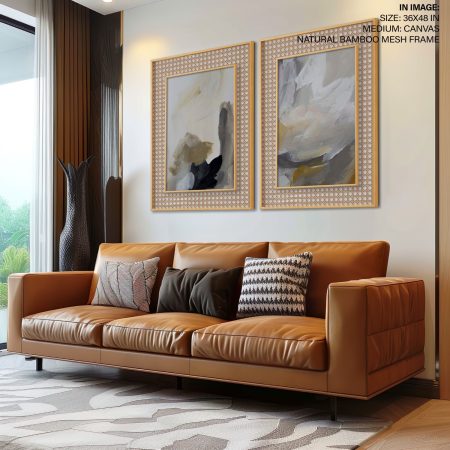
- Center large Expressionist art behind sofas, beds, or console tables
- Give it breathing space—avoid clutter around the artwork
- Choose large pieces for maximum impact
- If creating a gallery wall, keep it minimal—Expressionism can steal attention easily
Placement determines whether the art feels balanced or chaotic.
12. Expert styling tips
- Let colours from the artwork inspire cushions or soft furnishings
- Use a black, gold, or raw wood frame for bold Expressionism
- In small homes, choose softer Expressionist tones
- Pair expressive art with simple décor for harmony
- Mix textured artwork with smooth décor pieces for contrast
- Use Expressionism as the “hero” piece—one per room works best
Good styling helps channel the intensity of Expressionism without overwhelming the space.
13. Why Expressionism is becoming a top décor trend
- Ideal for homeowners seeking emotional or artistic interiors
- Makes even simple rooms feel curated and premium
- Works perfectly in modern apartments and luxury homes
- Encourages creativity and emotional connection
- Unique, dramatic, and conversation-worthy
- Fits the global shift toward expressive, meaningful décor
Expressionism brings passion, emotion, and artistic richness—making interiors feel truly alive.