Wall Art by Shape
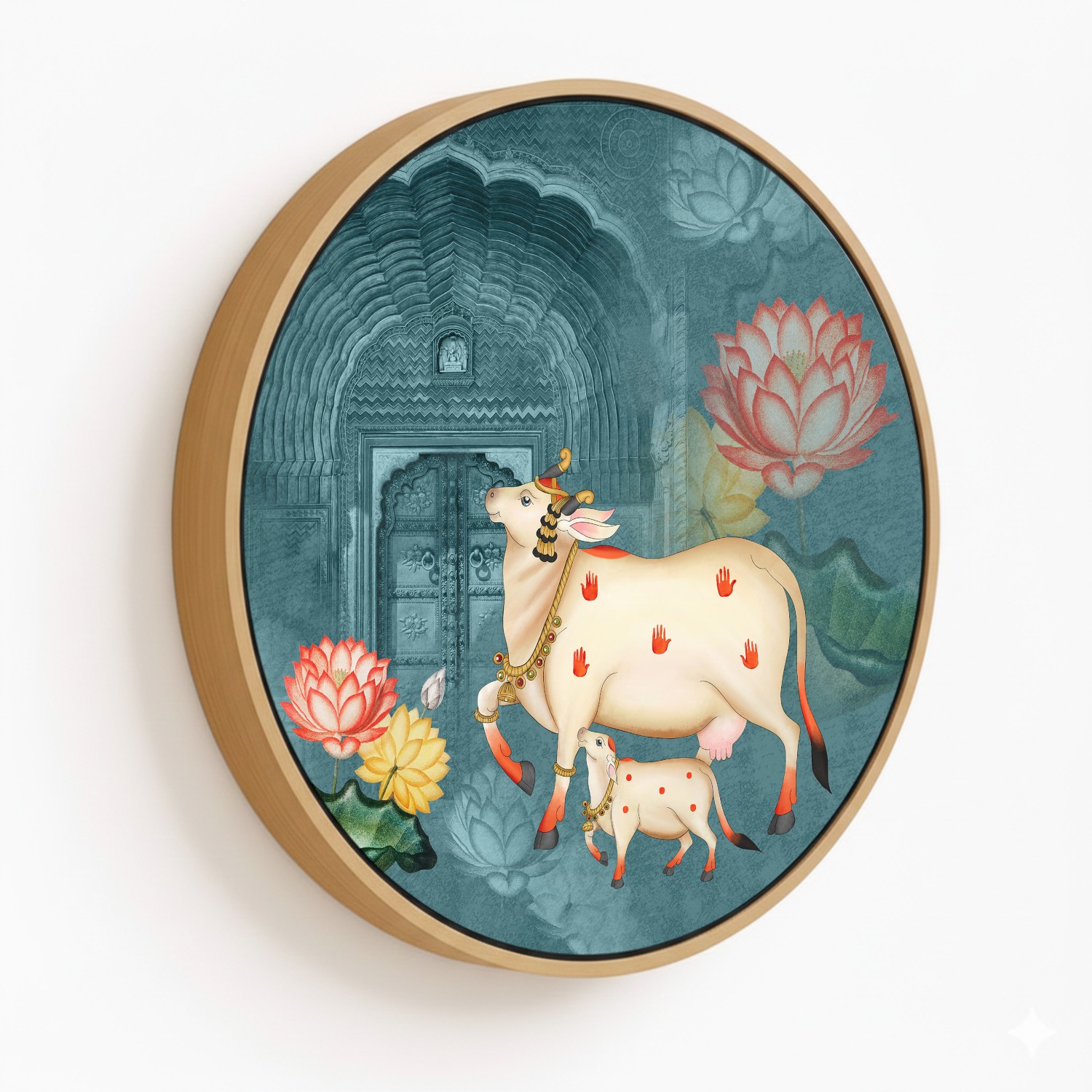
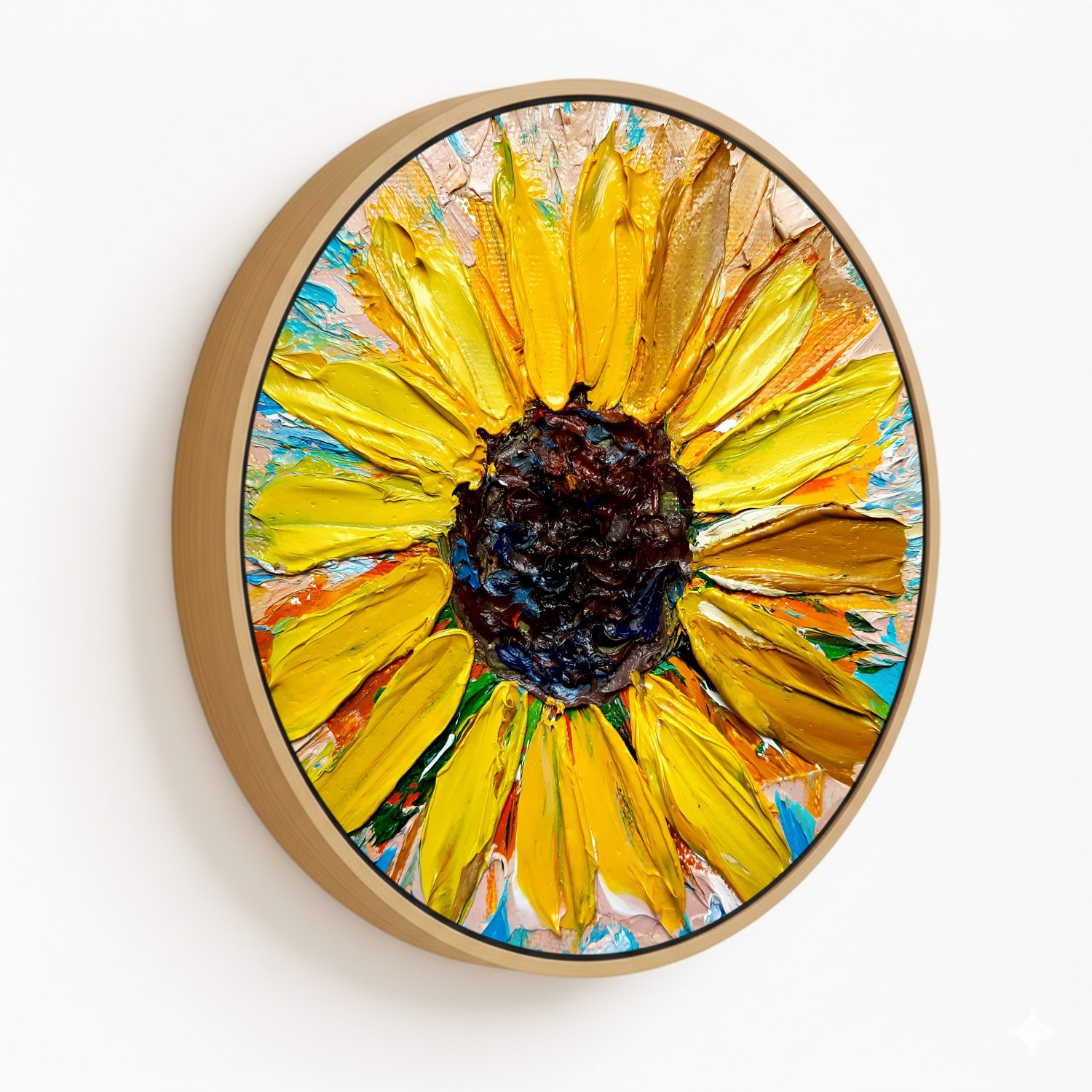
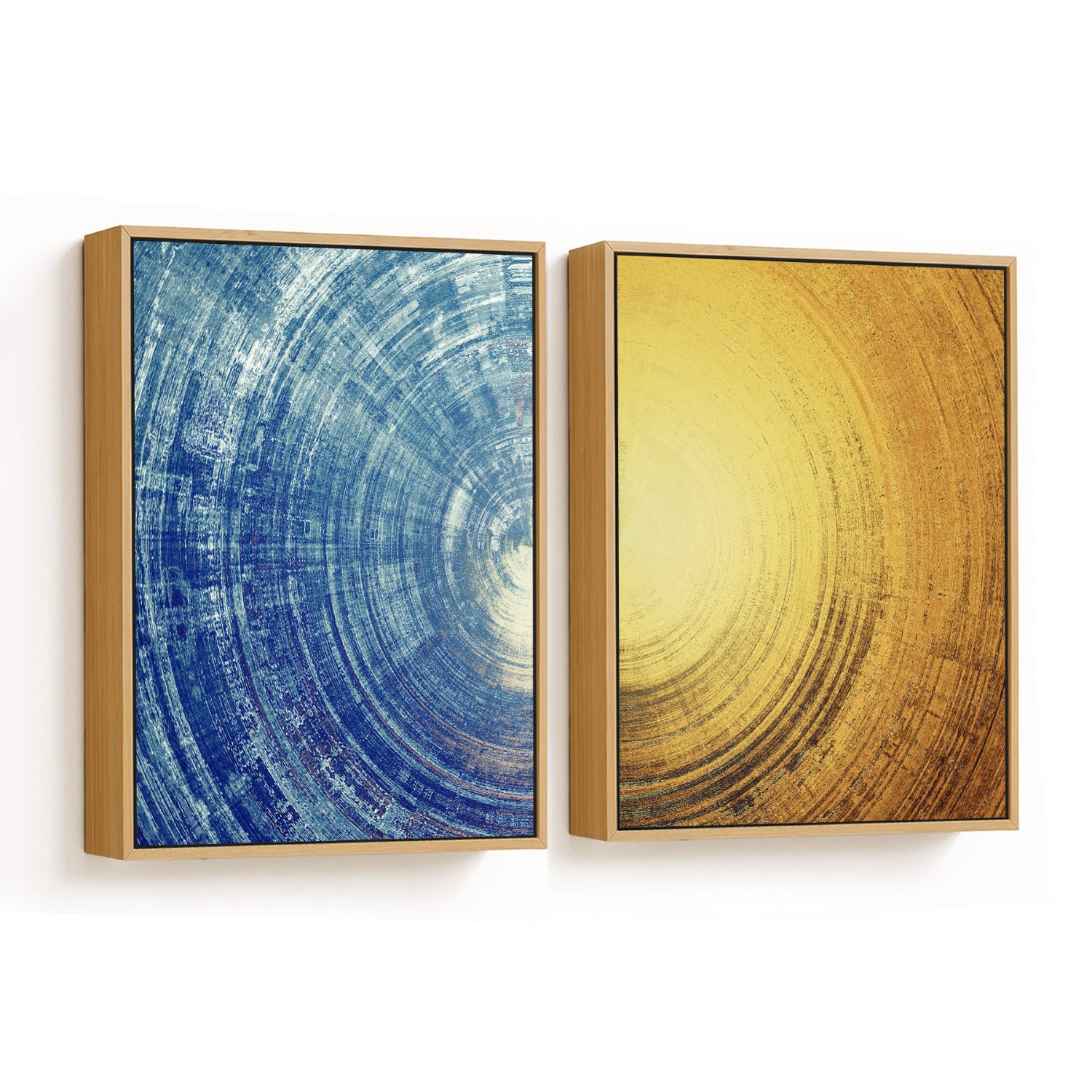
Wall art by shape starts with the wall itself. A narrow stretch beside a doorway wants something vertical. A long empty run above a sofa asks for width. Round pieces soften corners and hallways where every other line is straight. This hub sorts the catalogue by circular, horizontal and vertical, so you start from the space rather than the subject.

5,000 products




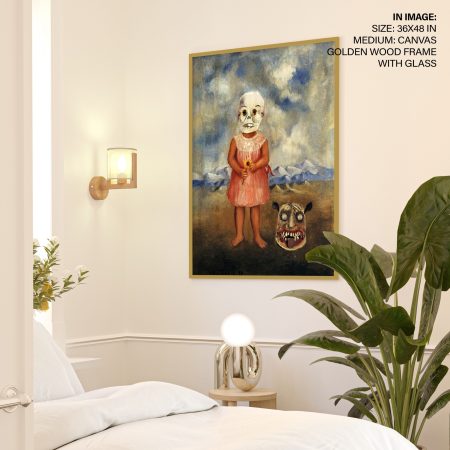

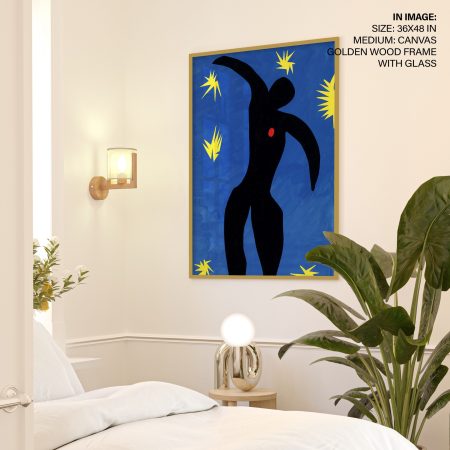
Wall art by shape: the practical starting point
Shape is the one thing a wall decides for you. Its proportions set what will look settled and what will look squeezed. Vertical formats lift a narrow gap and draw the eye up. Horizontal formats fill the long, low run above a sofa or a bed. Circular pieces break the grid of doors, windows and skirting, so a hard-edged wall reads softer.
What this collection holds
The page opens into circular, horizontal and vertical, with the whole wall art catalogue below. Within each you will find Indian folk and courtly traditions, impressionist landscapes, botanical studies, minimalist type, Art Deco geometry and contemporary abstracts. Palettes cover ivory and pale wash at one end, ochre, indigo and deep jewel tones at the other. Frames run from slim black through natural wood to gilt mouldings.
Where each shape sits in a home
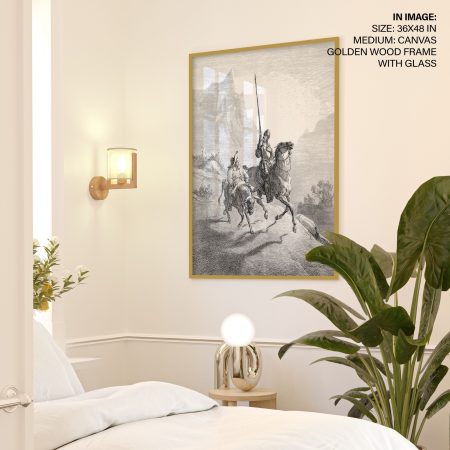
Tall formats suit stairwell walls and the narrow strip beside a wardrobe. Wide formats belong over a three-seater, a console, a headboard or a long sideboard. Round work settles a landing or an entrance wall, where straight edges already crowd each other. Squares hold their own in a kitchen nook, and four of them make a tidy grid in a study.
How to choose the size
Measure the wall, then aim for art that covers about two-thirds of the usable width. Leave clear wall on either side. For a pair or a grid, count the gaps as part of the total. Hang the centre at eye level, near 145 cm from the floor. Over furniture, drop it lower so the frame relates to the sofa rather than the ceiling.
Every artwork here is an archival print, hand-framed to order and delivered ready to hang — made in India.
Guides & Inspiration
View all guides →
Why Does Every Productive Office Look Different From Yours?
Room Ideas · 14 min read
Is Your Wall Décor Toxic? What India Doesn't Tell You
Safety · 12 min read
The One Wall Guests Always Ask About
style-guides
Peacock Wall Art: A Timeless Symbol of Grace for Indian Homes
Room Ideas · 7 min read
What European Safety Standards Should Your Wallpaper Meet? A Complete Guide
Safety · 7 min read
Does Your Wall Décor Contain Harmful Chemicals? Understanding REACH, ZDHC, and Chemical Safety
Safety · 6 min read
Is Your Nursery Wallpaper Safe for Your Baby? Child Safety Certifications Explained
Safety · 6 min read